DEV DIARY #4: How the still became animated in Escape Tales: The Awakening
Three weeks after the demo’s premiere, we’re bringing you the fourth part of our Dev Diary. Did you already have a chance to try out the demo?
Full notes
Full Escape Tales: The Awakening update
Read the full published notes in a cleaner layout. The original post stays linked below.
What changed
0 fixes1 addition5 changes0 removals
Balance
UI and audio
Gameplay
changedThree weeks after the demo’s premiere, we’re bringing you the fourth part of our Dev Diary. Did you already have a chance to try out the demo? 😏 If yes, feel free to let us know on social media or write us a private message - we appreciate all the feedback! 🤗
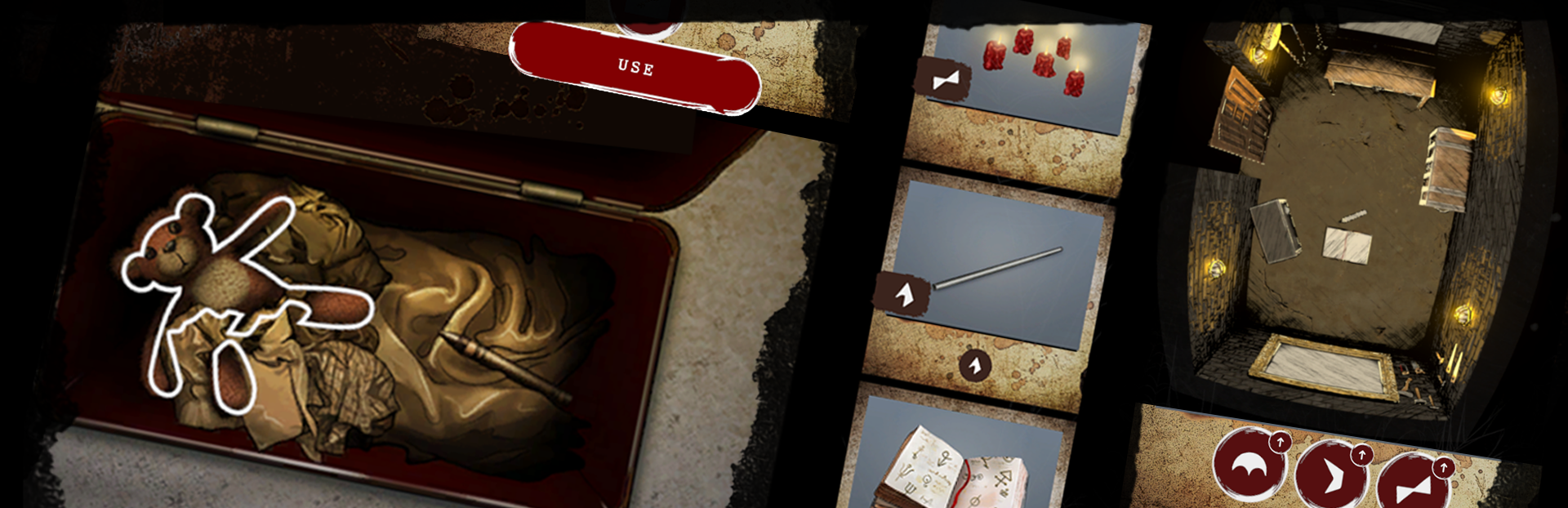
changedEach of the above categories involves different aspects and functions that the animations serve. In the case of GUI (Game User Interface) animations, the primary focus is on ensuring the intuitive and smooth interactions during the game. 🎮 Animations related to assets highlight interactive areas for the player , corresponding to previously performed actions. Decorative animations, on the other hand, serve an aesthetic purpose , enhancing the overall visual level of the game. 🧸
changedGUI AnimationsAs mentioned above, animations related to this category are primarily functional. For instance, they indicate whether and how a given button or text is interactive. 🕹️ Typically, they are based on the basic visual properties of the object, such as its color, size, or rotation. This is not done randomly, as the animation layer is meant to support the user experience rather than distract from it. 🔴
changedLocation Asset AnimationsSimilar to the above, these are partially functional animations. They indicate the place (or places) where a specific interaction has occurred. However, since they are placed in the game world, i.e., in a given location, the visual layer plays a slightly more significant role here than in the first category - some animations contain extended visual features. 🖼️ The movement paths of some objects are smoothed, sometimes enriched with particles (VFX) or appropriate lighting. This is a natural step related to the expansion of the platform on which the game takes place. In the case of the paper version, all described interactions with objects remain in the player's imagination. 🧠 In the digital world, however, there is an excellent opportunity to use them to enhance the visual quality of the entire game.
changedDecorative AnimationsThe last category serves a purely aesthetic function . It is not an essential element for gameplay, but it has a significant impact on the user's immersion and visual perception . 👀 Animated elements are placed peripherally in relation to the gameplay area; they do not directly correlate with it but excellently emphasize the character of a given location. For example, in the case of a basement, small spiders move across the screen - some weave webs or shake on them in a manner characteristic of these insects. 🕸️
addedDecorative Animations-- PS. In the meantime, don’t forget to Add the game to your Wishlist and Follow it to stay up to date. 😏
Escape Tales: The Awakening changes
changedThree weeks after the demo’s premiere, we’re bringing you the fourth part of our Dev Diary. Did you already have a chance to try out the demo? 😏 If yes, feel free to let us know on social media or write us a private message - we appreciate all the feedback! 🤗
changedEach of the above categories involves different aspects and functions that the animations serve. In the case of GUI (Game User Interface) animations, the primary focus is on ensuring the intuitive and smooth interactions during the game. 🎮 Animations related to assets highlight interactive areas for the player , corresponding to previously performed actions. Decorative animations, on the other hand, serve an aesthetic purpose , enhancing the overall visual level of the game. 🧸
changedAs mentioned above, animations related to this category are primarily functional. For instance, they indicate whether and how a given button or text is interactive. 🕹️ Typically, they are based on the basic visual properties of the object, such as its color, size, or rotation. This is not done randomly, as the animation layer is meant to support the user experience rather than distract from it. 🔴
changedSimilar to the above, these are partially functional animations. They indicate the place (or places) where a specific interaction has occurred. However, since they are placed in the game world, i.e., in a given location, the visual layer plays a slightly more significant role here than in the first category - some animations contain extended visual features. 🖼️ The movement paths of some objects are smoothed, sometimes enriched with particles (VFX) or appropriate lighting. This is a natural step related to the expansion of the platform on which the game takes place. In the case of the paper version, all described interactions with objects remain in the player's imagination. 🧠 In the digital world, however, there is an excellent opportunity to use them to enhance the visual quality of the entire game.
changedThe last category serves a purely aesthetic function . It is not an essential element for gameplay, but it has a significant impact on the user's immersion and visual perception . 👀 Animated elements are placed peripherally in relation to the gameplay area; they do not directly correlate with it but excellently emphasize the character of a given location. For example, in the case of a basement, small spiders move across the screen - some weave webs or shake on them in a manner characteristic of these insects. 🕸️
Three weeks after the demo’s premiere, we’re bringing you the fourth part of our Dev Diary. Did you already have a chance to try out the demo? 😏 If yes, feel free to let us know on social media or write us a private message - we appreciate all the feedback! 🤗
Without further ado, let’s dive into the world of animation…
The process of creating animations for the digital version of Escape Tales: The Awakening can be divided into several distinct, but closely related, categories, including:
GUI and text animations Location asset animations Decorative animations
Each of the above categories involves different aspects and functions that the animations serve. In the case of GUI (Game User Interface) animations, the primary focus is on ensuring the intuitive and smooth interactions during the game. 🎮 Animations related to assets highlight interactive areas for the player, corresponding to previously performed actions. Decorative animations, on the other hand, serve an aesthetic purpose, enhancing the overall visual level of the game. 🧸
GUI Animations
As mentioned above, animations related to this category are primarily functional. For instance, they indicate whether and how a given button or text is interactive. 🕹️ Typically, they are based on the basic visual properties of the object, such as its color, size, or rotation. This is not done randomly, as the animation layer is meant to support the user experience rather than distract from it. 🔴
Location Asset Animations
Similar to the above, these are partially functional animations. They indicate the place (or places) where a specific interaction has occurred. However, since they are placed in the game world, i.e., in a given location, the visual layer plays a slightly more significant role here than in the first category - some animations contain extended visual features. 🖼️ The movement paths of some objects are smoothed, sometimes enriched with particles (VFX) or appropriate lighting. This is a natural step related to the expansion of the platform on which the game takes place. In the case of the paper version, all described interactions with objects remain in the player's imagination. 🧠 In the digital world, however, there is an excellent opportunity to use them to enhance the visual quality of the entire game.
Decorative Animations
The last category serves a purely aesthetic function. It is not an essential element for gameplay, but it has a significant impact on the user's immersion and visual perception. 👀 Animated elements are placed peripherally in relation to the gameplay area; they do not directly correlate with it but excellently emphasize the character of a given location. For example, in the case of a basement, small spiders move across the screen - some weave webs or shake on them in a manner characteristic of these insects. 🕸️
--- We hope that now the distinction of various animations in Escape Tales: The Awakening is clear for you and you see what the full process looked like behind the scenes! 🤠 From now on, you’ll surely notice more and more details while playing the demo - and the full version in the future!Thanks for taking this trip with us and until we meet again! 👉
Bluekey Games Team
--- PS. In the meantime, don’t forget to Add the game to your Wishlist and Follow it to stay up to date. 😏
Please note that what you see in the Dev Diary presents the work in progress, not the final product!