What changed
0 fixes3 additions1 change0 removals
changed1. What first got you interested in art and visual design, and how did that eventually lead you toward game development?I’ve been making art since I was very young but never saw it as more than a fun hobby until after seeing The Lord of the Rings trilogy for the first time. I remember watching all of the behind the scenes content and reading every book I could find about its production - just amazed at the monumental effort that went into creating these films. The part that stood out to me the most was that even with all of the technology and visual effects at the director’s disposal, most elements of the film started in the hands of traditional concept artists. Since then I’ve always dreamed of being able to do that kind of work. I am also an avid gamer, enjoying and receiving inspiration for my art from many different titles. I found over the years that I particularly like designing creatures, and there is much more room in the video game industry to pursue that passion than in filmmaking, so I turned my focus to game art.
added2. When you’re designing concepts or 2D art for Always Bet on Quack, what are you thinking about beyond just how something looks?My main consideration when creating something for Always Bet on Quack is how it’s going to be used: if I’m working on a piece that I know will be animated, I have to decide how it’s going to move and incorporate that into my concept before starting. In the case of slot machine art, my focus is on maintaining a consistent theme for all of the reels while also keeping each one visually distinct. Being able to see the finished art in the game allows me to visualize how any new pieces may appear in the future so I can adjust them to fit the palette and setting of the Monte Quacko Casino.
added3. Ducks are a very specific subject. How do you approach designing costumes and visuals that are funny and expressive without losing clarity or charm?I try to keep outfits and items for the ducks as familiar as possible but also add modifications that would make sense for their needs, such as changing the shape of shoes to fit their webbed feet properly. Another aspect I take into account when designing clothing and background elements is that the ducks are very brightly colored, so I use darker, contrasting colors to help them stand out from their environment. When making props and decorations, I like to add feathers, bubbles, and other water-oriented designs to keep the duck theme front and center.
added5. How does collaboration with programmers, designers, or other students influence your creative process?Creating art in a team setting is a completely new experience for me and I’m loving it so far! I’ve enjoyed learning about some of the other aspects of developing a game besides the art; as well as being able to receive feedback when I have a question or if something needs to be changed. When working as part of a team, I also try to think about not just what I want a piece of art to look like, but what other peoples’ visions are and what they might expect to see in the game.
Always Bet on Quack changes
changedI’ve been making art since I was very young but never saw it as more than a fun hobby until after seeing The Lord of the Rings trilogy for the first time. I remember watching all of the behind the scenes content and reading every book I could find about its production - just amazed at the monumental effort that went into creating these films. The part that stood out to me the most was that even with all of the technology and visual effects at the director’s disposal, most elements of the film started in the hands of traditional concept artists. Since then I’ve always dreamed of being able to do that kind of work. I am also an avid gamer, enjoying and receiving inspiration for my art from many different titles. I found over the years that I particularly like designing creatures, and there is much more room in the video game industry to pursue that passion than in filmmaking, so I turned my focus to game art.
addedMy main consideration when creating something for Always Bet on Quack is how it’s going to be used: if I’m working on a piece that I know will be animated, I have to decide how it’s going to move and incorporate that into my concept before starting. In the case of slot machine art, my focus is on maintaining a consistent theme for all of the reels while also keeping each one visually distinct. Being able to see the finished art in the game allows me to visualize how any new pieces may appear in the future so I can adjust them to fit the palette and setting of the Monte Quacko Casino.
addedI try to keep outfits and items for the ducks as familiar as possible but also add modifications that would make sense for their needs, such as changing the shape of shoes to fit their webbed feet properly. Another aspect I take into account when designing clothing and background elements is that the ducks are very brightly colored, so I use darker, contrasting colors to help them stand out from their environment. When making props and decorations, I like to add feathers, bubbles, and other water-oriented designs to keep the duck theme front and center.
addedCreating art in a team setting is a completely new experience for me and I’m loving it so far! I’ve enjoyed learning about some of the other aspects of developing a game besides the art; as well as being able to receive feedback when I have a question or if something needs to be changed. When working as part of a team, I also try to think about not just what I want a piece of art to look like, but what other peoples’ visions are and what they might expect to see in the game.
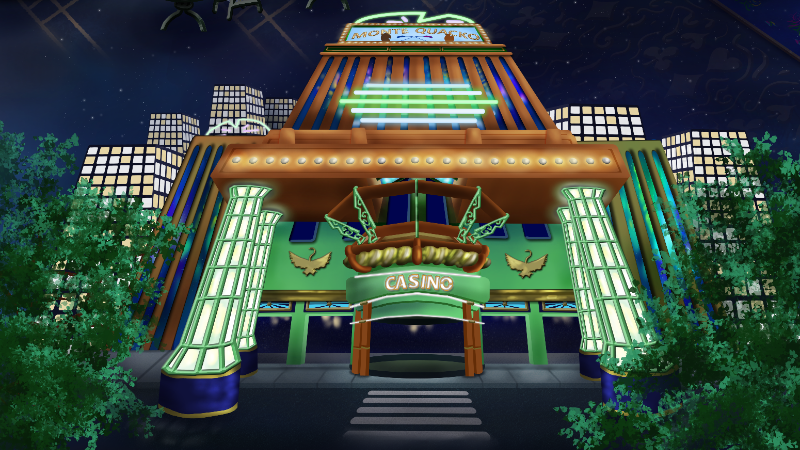
One of our favorite parts of working on Always Bet on Quack is the people who bring it to life. Today, we’re excited to spotlight one of our artists, Jillian White, whose work helps define the look, personality, and tone of the game. From concept art to in game artwork, her designs have helped shape the world of Monte Quacko.
In this short interview, we talk about her approach to concept and 2D art, what draws her to game development, and how she balances creativity with the unique challenges of designing for an interactive space.
1. What first got you interested in art and visual design, and how did that eventually lead you toward game development?
I’ve been making art since I was very young but never saw it as more than a fun hobby until after seeing The Lord of the Rings trilogy for the first time. I remember watching all of the behind the scenes content and reading every book I could find about its production - just amazed at the monumental effort that went into creating these films. The part that stood out to me the most was that even with all of the technology and visual effects at the director’s disposal, most elements of the film started in the hands of traditional concept artists. Since then I’ve always dreamed of being able to do that kind of work. I am also an avid gamer, enjoying and receiving inspiration for my art from many different titles. I found over the years that I particularly like designing creatures, and there is much more room in the video game industry to pursue that passion than in filmmaking, so I turned my focus to game art.
2. When you’re designing concepts or 2D art for Always Bet on Quack, what are you thinking about beyond just how something looks?
My main consideration when creating something for Always Bet on Quack is how it’s going to be used: if I’m working on a piece that I know will be animated, I have to decide how it’s going to move and incorporate that into my concept before starting. In the case of slot machine art, my focus is on maintaining a consistent theme for all of the reels while also keeping each one visually distinct. Being able to see the finished art in the game allows me to visualize how any new pieces may appear in the future so I can adjust them to fit the palette and setting of the Monte Quacko Casino.
3. Ducks are a very specific subject. How do you approach designing costumes and visuals that are funny and expressive without losing clarity or charm?
I try to keep outfits and items for the ducks as familiar as possible but also add modifications that would make sense for their needs, such as changing the shape of shoes to fit their webbed feet properly. Another aspect I take into account when designing clothing and background elements is that the ducks are very brightly colored, so I use darker, contrasting colors to help them stand out from their environment. When making props and decorations, I like to add feathers, bubbles, and other water-oriented designs to keep the duck theme front and center.
4. What’s something about game art that surprised you when you started working on a real game, compared to making standalone illustrations?
The main thing that surprised me when working on my first game was how much creative freedom I’ve been given with the art in Always Bet on Quack. I really appreciate receiving an overarching idea for a piece so I have a goal to accomplish but then being able to fill in the small details on my own.
5. How does collaboration with programmers, designers, or other students influence your creative process?
Creating art in a team setting is a completely new experience for me and I’m loving it so far! I’ve enjoyed learning about some of the other aspects of developing a game besides the art; as well as being able to receive feedback when I have a question or if something needs to be changed. When working as part of a team, I also try to think about not just what I want a piece of art to look like, but what other peoples’ visions are and what they might expect to see in the game.
6. What kind of games or visual styles inspire you, and how do those influences show up in your work?
One of my favorite visual styles in a game comes from Ori and the Blind Forest, with its beautiful settings and vibrant, but not overpowering colors. I have also always deeply admired and been inspired by Alan Lee and John Howe in their work on the Lord of the Rings movie trilogy, as well as several Magic the Gathering card artists. I try to draw from aspects of all of these sources when conceptualizing my own works, and I hope it shows in the colors and details of each one.
Thanks for being here everyone, we can’t wait to share more with you all soon!
If you’d like to follow along and support development, wishlisting the game on Steam
is the best way to stay informed and help us reach more people! If you’d like to stay in touch with us directly, please feel free to join our Discord: https://discord.gg/SUjXUfmumx