
In this update2
Full notes
Full Yots update
Read the full published notes in a cleaner layout. The original post stays linked below.
What changed
- Maps
- UI and audio
- Balance
- Gameplay
Yots changes
Ave, warriors!
Steam Next Fest is in full swing, and first of all, we'd like to thank everyone who has already tried the Yots demo. We've been carefully reading your feedback, watching streams, collecting bug reports, and discussing your suggestions within the team. Many of the things you've pointed out are already helping us improve the game.
If you haven't shared your thoughts yet, don't be shy. Tell us what you enjoyed, what felt awkward, and which moments stood out the most. This is one of the most important stages of development for us, and every piece of feedback helps make Yots better.
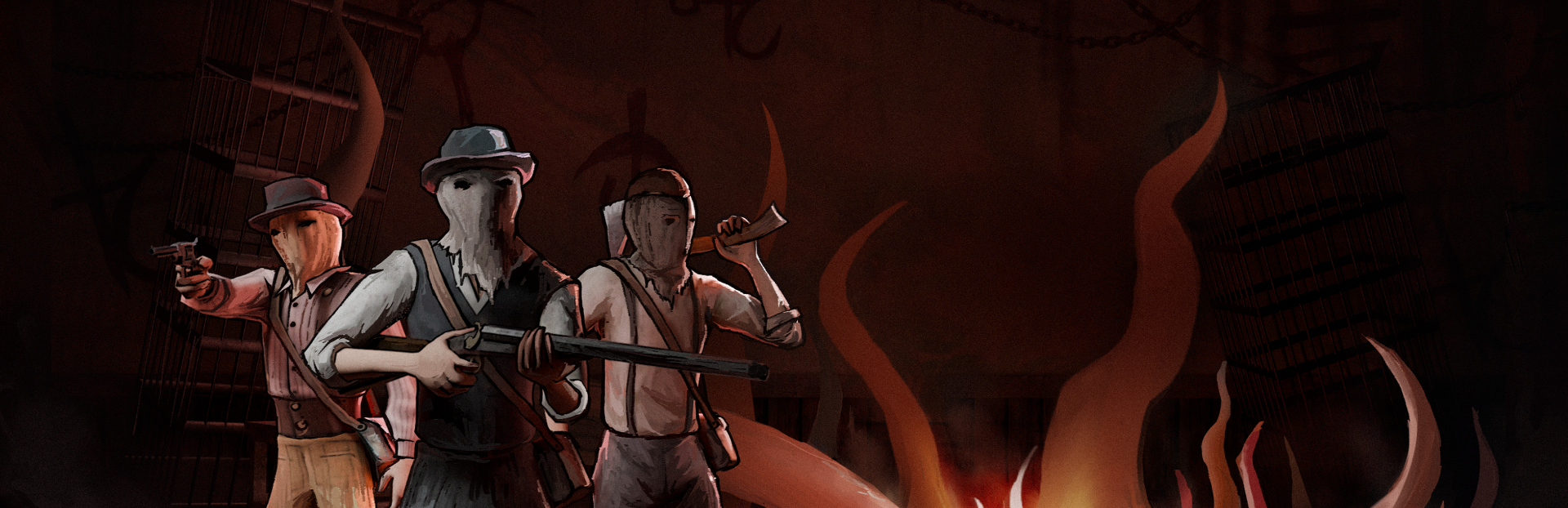
Today we'd like to take a closer look at one of the game's core systems and talk about combat in Yots: weapons, timing, hitboxes, and why sometimes even a simple stick can be more useful than a knife.
At first glance, it all seems straightforward: the player has a weapon, the enemy has health, a hit lands, and health goes down. In practice, however, most of the work behind combat isn't about weapon models or even animations-it's about pacing. How fast does the player attack? How long does a wind-up take? Is there enough time to retreat? How dangerous is an enemy once it gets close? And most importantly, does the combat feel engaging rather than devolving into mindless button-mashing?
The logic behind firearms is fairly simple: they're expensive, ammunition is scarce, but they deal a lot of damage. They're not meant to solve every encounter, but rather serve as a costly and very loud argument for situations that are starting to get out of control.
Melee combat is where things get more interesting.
At the moment, Yots features two main categories of melee weapons: blunt and bladed.
Blunt weapons deal less damage but are more likely to stun enemies and are generally cheaper.
Bladed weapons hit harder, provide little to no stun, and are more expensive.
By the time the demo and Early Access launch, each category will include three different weapons.
The differences between weapons aren't limited to numbers in a spreadsheet. Every weapon requires its own animation, and those animations define the rhythm of combat: how long a character takes to wind up an attack, what path the swing follows, how far the weapon reaches, and exactly when it can deal damage.
In Yots, attacks use the weapon's actual hitbox. Damage isn't dealt by an abstract area in front of the player-it's dealt by the weapon model itself during the swing. Because of that, even small animation changes can significantly affect how combat feels. Move the hand slightly closer to the body, and the attack loses range. Raise the swing a little higher, and suddenly it can miss shorter enemies entirely.
That's exactly the issue we ran into with the Beast. It's a relatively short enemy, and some attacks were literally passing right over its head. The player appeared to be standing at the correct distance, the weapon looked close enough, but the enemy's hitbox wasn't being touched. There were several ways to solve the problem, but we ultimately chose a combination of fixes: we adjusted weapon animations and slightly increased the Beast's hitbox height.
Another challenge is finding the balance between weight and responsiveness. If a weapon takes a long time to wind up and swings slowly, the hit needs to feel impactful-whether through damage, stun, or both. At the same time, we don't want every heavy weapon to feel like a Dark Souls greatsword where the character seems to be filing tax paperwork before every swing.
That's why we've spent a lot of time tuning the core weapon categories. Attacks should feel physical and weighty, but never frustrating.
A good example is the starting equipment: the stick and the knife.
The stick attacks more slowly, but it can stun enemies, has solid reach, and offers a wide swing arc. It's easier to keep enemies at a distance, and sometimes you can hit multiple targets at once.
The knife works differently. It alternates between thrusting and slashing attacks, has shorter reach, provides almost no stun, but delivers significantly higher damage per second.
Even these two basic weapons already create meaningful choices. When playing solo, I would personally pick the stick in many situations. The knife looks stronger at first glance, but it's harder to land hits on agile enemies like the Assassin or the Beast. Meanwhile, the stick's stun often creates a safe opportunity for an extra attack.
This is especially noticeable against the Assassin. It's fast, constantly moving, and difficult to pin down, but it has relatively low health, and even a simple stick can quickly disrupt its rhythm.
Weapons also shine differently in co-op. One player can take a blunt weapon, draw enemy attention, control spacing, and look for stun opportunities. Meanwhile, another player can use a knife or another bladed weapon to finish off exposed enemies from the side or from behind.
The same philosophy extends to stronger weapons as well. Bladed weapons gain more damage and range, while blunt weapons gain more damage, crowd control, and the ability to disrupt enemy momentum.
Our goal is to make weapons in Yots feel different not just in terms of price and damage, but in how they actually behave during combat. We want players to choose weapons based not on which one has the highest numbers, but on which best fits their playstyle, their team composition, and the particular expedition they're about to undertake in the Mist City.
If you'd like to follow the development of Yots, be sure to follow us on social media, keep an eye on our Steam updates, and wishlist Yots!
Source
Changelog.gg summarizes and formats this update. How we read updates.