
In this update5
Full notes
Full Terror: Endless Night update
Read the full published notes in a cleaner layout. The original post stays linked below.
Repeated intro
Hello sailors, In today's devlog we want to shed a light how people lived on a vessel like HMS "Chione" during polar night
What changed
- Balance
Terror: Endless Night changes
In the 19th century, venturing into the Arctic meant accepting months of darkness, isolation, and uncertainty. During the polar night when the sun never rises above the horizon life aboard an exploration vessel became a test of endurance as much as navigation.
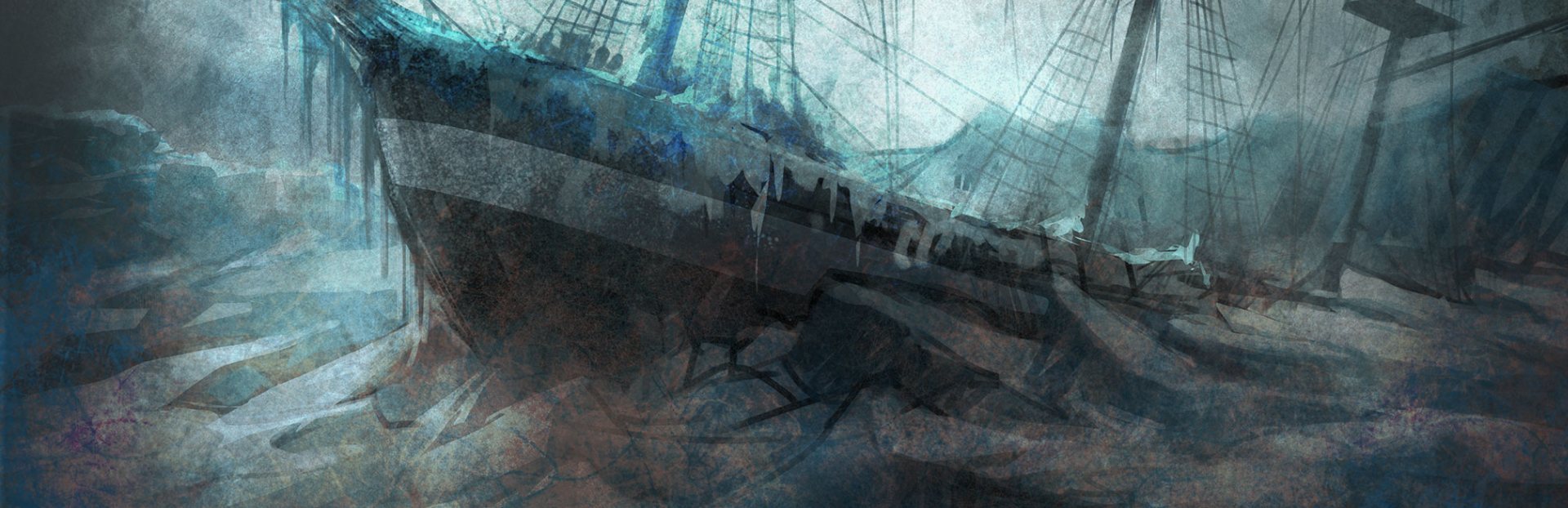
Expeditions like those led by Sir John Franklin, Fridtjof Nansen, and Adolphus Greely relied on stout wooden ships reinforced to survive crushing sea ice. Yet even the strongest hull could become trapped, frozen fast in a silent white wilderness for the entire winter.
Endless Darkness
When the sun disappeared in late autumn, it would not return for weeks sometimes months. The world outside turned into a dim blue twilight at noon and pitch black for the rest of the day. Oil lamps and candles became precious sources of comfort. Frost crept across cabin walls. Breath crystallized in the air.
The absence of sunlight affected more than visibility. Crew members often struggled with low morale, lethargy, and what we would now recognize as seasonal depression. Maintaining mental resilience was as critical as maintaining supplies.
Cold Beyond Measure
Temperatures could plunge below −40°C (−40°F) ( It’s a special case this is the only temperature at which the Celsius and Fahrenheit scales are equal) . Ice formed inside sleeping quarters. Blankets stiffened. Ink froze in bottles. Crews layered wool and fur, but frostbite remained a constant threat.
Coal or wood stoves provided limited warmth, yet fuel had to be rationed carefully. Ventilation was minimal, leading to damp, smoky air below decks a breeding ground for illness.
Routine as Survival
Discipline and routine structured each day. Officers organized scientific observations, navigational calculations, and equipment maintenance. Many expeditions prioritized research in magnetism, meteorology, and cartography.
To fight boredom and despair, crews staged plays, published handwritten ship newspapers, celebrated midwinter holidays, and held lectures. On some ships, music echoed through the timbers as fiddles and concertinas lifted spirits.
The Ice as Both Enemy and Ally
Paradoxically, once securely frozen in, a ship could be safer than during the shifting freeze-up period. The surrounding pack ice formed a protective cradle until spring thaw threatened to crush the hull.
Still, isolation weighed heavily. Rescue was impossible. Any serious accident or illness had to be managed with the limited medical knowledge and supplies aboard.
A Test of Human Endurance
Living aboard an Arctic vessel during the polar night demanded resilience, cooperation, and hope. For many explorers, survival depended less on heroic bravado and more on quiet perseverance keeping the lamps lit, the stove burning, and morale intact until the first faint glow of returning sunlight crept across the frozen horizon.
The polar night was not merely darkness; it was a profound psychological and physical trial. Yet it was in that darkness that some of the most determined chapters of Arctic exploration were written.
Source
Changelog.gg summarizes and formats this update. How we read updates.