
HomeGamesUpdatesPricingMethodology
Steam News25 January 20265mo ago

Devlog: Combat in Skye

Over the past months, I’ve been reworking combat in Skye almost from the ground up. The focus hasn’t been on making it faster or flashier, but on making it feel more responsive, grounded, and meaningful.

In this update8

Full notes

Full Skye: The Misty Isle update

Read the full published notes in a cleaner layout. The original post stays linked below.

What changed

0 fixes1 addition4 changes2 removals
  • Gameplay
  • Balance
  • Security
  • Events
removedWeapons themselves have changed too. They’re no longer just visual props with stats attached, but physical objects that behave differently depending on how and where they strike. A sweeping cut, a precise thrust, or a glancing blow all produce distinct results, which makes every weapon feel unique and every encounter less predictable.
changedCombos And FinishersInstead of rigid combo strings, attacks now chain based on timing, enemy reactions, and player input. What happens in the fight determines how combos form. The same sequence of buttons can lead to different outcomes depending on the state of the encounter. This makes combat feel less scripted and more reactive, where every fight evolves uniquely. Rebirth also includes a variety of weapon finishers that can trigger at the end of a perfect combo attack.
removedDual and Off-Hand PlayThe off-hand is no longer an afterthought. You can wield two weapons, combine a weapon with a shield, or mix tools, and each combination actively affects combat. Off-hand strikes can interrupt enemies, extend combos, or create openings. Dual wielding isn’t about attacking faster it’s about control, pressure, and responding to what’s happening in the fight. Combat feels more layered and dynamic without being overwhelming.
changedBlocking, Parrying, and the Cost of DefenceDefence has been redesigned to feel meaningful. Blocking drains stamina and can be broken under pressure, while parrying rewards precise timing with a brief moment of advantage. There’s no single “safe” choice, you constantly weigh whether to hold your ground, risk a parry, reposition, or retreat. Successful defence feels earned; failure feels fair.
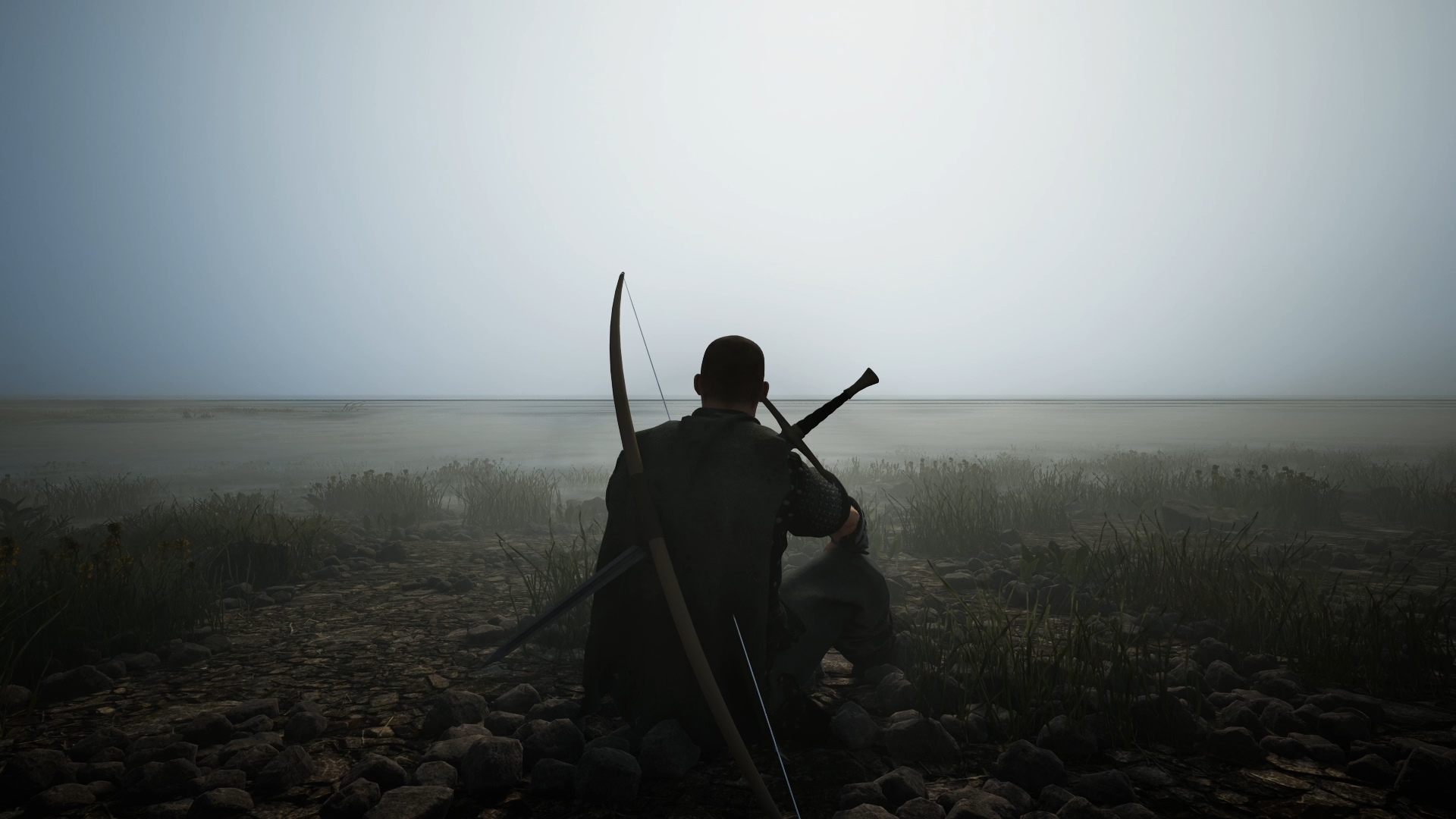
changedRanged Combat as part of a Unified SystemRanged combat is now fully integrated. Bows and thrown weapons influence enemy behaviour, the pace of the fight, and positioning. You can thin enemy ranks or soften targets before closing in, but once distance collapses, you’re forced back into melee. It’s all part of the same tactical rhythm, creating a natural tension between control and vulnerability.
addedMounted Combat – Fighting on the MoveFor the first time, combat can happen from a mount. You can swing a weapon or draw a bow while riding, adding new layers of strategy to encounters. Movement, positioning, and timing become part of the challenge, letting you pull off hit-and-run tactics or control larger spaces. It’s still grounded and reactive where every strike matters, whether you’re chasing enemies or retreating across the landscape.

Skye: The Misty Isle changes

removedWeapons themselves have changed too. They’re no longer just visual props with stats attached, but physical objects that behave differently depending on how and where they strike. A sweeping cut, a precise thrust, or a glancing blow all produce distinct results, which makes every weapon feel unique and every encounter less predictable.
changedInstead of rigid combo strings, attacks now chain based on timing, enemy reactions, and player input. What happens in the fight determines how combos form. The same sequence of buttons can lead to different outcomes depending on the state of the encounter. This makes combat feel less scripted and more reactive, where every fight evolves uniquely. Rebirth also includes a variety of weapon finishers that can trigger at the end of a perfect combo attack.
removedThe off-hand is no longer an afterthought. You can wield two weapons, combine a weapon with a shield, or mix tools, and each combination actively affects combat. Off-hand strikes can interrupt enemies, extend combos, or create openings. Dual wielding isn’t about attacking faster it’s about control, pressure, and responding to what’s happening in the fight. Combat feels more layered and dynamic without being overwhelming.
changedDefence has been redesigned to feel meaningful. Blocking drains stamina and can be broken under pressure, while parrying rewards precise timing with a brief moment of advantage. There’s no single “safe” choice, you constantly weigh whether to hold your ground, risk a parry, reposition, or retreat. Successful defence feels earned; failure feels fair.
changedRanged combat is now fully integrated. Bows and thrown weapons influence enemy behaviour, the pace of the fight, and positioning. You can thin enemy ranks or soften targets before closing in, but once distance collapses, you’re forced back into melee. It’s all part of the same tactical rhythm, creating a natural tension between control and vulnerability.

Over the past months, I’ve been reworking combat in Skye almost from the ground up. The focus hasn’t been on making it faster or flashier, but on making it feel more responsive, grounded, and meaningful. Combat now behaves less like a set of animations and more like a living system, where enemies react to pressure, weapons shape the rhythm of fights, and timing and commitment genuinely matter.

Weapons themselves have changed too. They’re no longer just visual props with stats attached, but physical objects that behave differently depending on how and where they strike. A sweeping cut, a precise thrust, or a glancing blow all produce distinct results, which makes every weapon feel unique and every encounter less predictable.

As a solo developer, this has been one of the most important steps forward for Skye so far.

Combos And Finishers

Instead of rigid combo strings, attacks now chain based on timing, enemy reactions, and player input. What happens in the fight determines how combos form. The same sequence of buttons can lead to different outcomes depending on the state of the encounter. This makes combat feel less scripted and more reactive, where every fight evolves uniquely. Rebirth also includes a variety of weapon finishers that can trigger at the end of a perfect combo attack.

Dual and Off-Hand Play

The off-hand is no longer an afterthought. You can wield two weapons, combine a weapon with a shield, or mix tools, and each combination actively affects combat. Off-hand strikes can interrupt enemies, extend combos, or create openings. Dual wielding isn’t about attacking faster it’s about control, pressure, and responding to what’s happening in the fight. Combat feels more layered and dynamic without being overwhelming.

Blocking, Parrying, and the Cost of Defence

Defence has been redesigned to feel meaningful. Blocking drains stamina and can be broken under pressure, while parrying rewards precise timing with a brief moment of advantage. There’s no single “safe” choice, you constantly weigh whether to hold your ground, risk a parry, reposition, or retreat. Successful defence feels earned; failure feels fair.

Ranged Combat as part of a Unified System

Ranged combat is now fully integrated. Bows and thrown weapons influence enemy behaviour, the pace of the fight, and positioning. You can thin enemy ranks or soften targets before closing in, but once distance collapses, you’re forced back into melee. It’s all part of the same tactical rhythm, creating a natural tension between control and vulnerability.

Mounted Combat – Fighting on the Move

For the first time, combat can happen from a mount. You can swing a weapon or draw a bow while riding, adding new layers of strategy to encounters. Movement, positioning, and timing become part of the challenge, letting you pull off hit-and-run tactics or control larger spaces. It’s still grounded and reactive where every strike matters, whether you’re chasing enemies or retreating across the landscape.

Clan Leaders Demand Adaptation

Boss encounters push the combat system to its limits. They demand precision, patience, and the ability to adapt when your usual approach stops working. Every phase changes the rhythm of the fight, turning each battle into a tense exchange rather than a predictable routine.

Controller and Target Options

Combat now works seamlessly with both controller and keyboard/mouse. Target locking and quick target switching are optional, so you can choose a more tactical, precise approach or stay freeform depending on the situation. This makes combat feel smooth and responsive no matter how you prefer to play.

Why This Matters for Skye

All of these changes are about making combat feel alive rather than something you simply perform. Skye is built around atmosphere, exploration, and survival, and combat now reflects that. It feels heavier, more intentional, and more connected to stamina, positioning, and enemy behaviour.

There’s still more to refine, but this version of combat finally feels like it belongs in Skye — and it lays a strong foundation for everything that comes next.

Source

Steam News / 25 January 2026

Open original post

Changelog.gg summarizes and formats this update. How we read updates.