
In this update7
Full notes
Full 商道逐权 Pursuit of Mercantile Power update
Read the full published notes in a cleaner layout. The original post stays linked below.
What changed
- Balance
- Gameplay
- Store
- UI and audio
- Performance
商道逐权 Pursuit of Mercantile Power changes
Equipment Progression Update
This update focuses on equipment progression in GuYuan Village — from forging weapons and armor at the blacksmith, to refining equipment directly onto your character, and then building your power through gems and enchantments.
First, let’s clear up the most easily misunderstood rule:
Equipment uses “one-time refinement.” Once refined, it binds directly to the player. When you refine a new piece into the same slot, the old one is automatically destroyed.
This is not a “inventory management” game. The core of the equipment system is decision-making and progression, not hoarding items.
1) Equipment isn’t just “equipping” — it’s refining onto the body
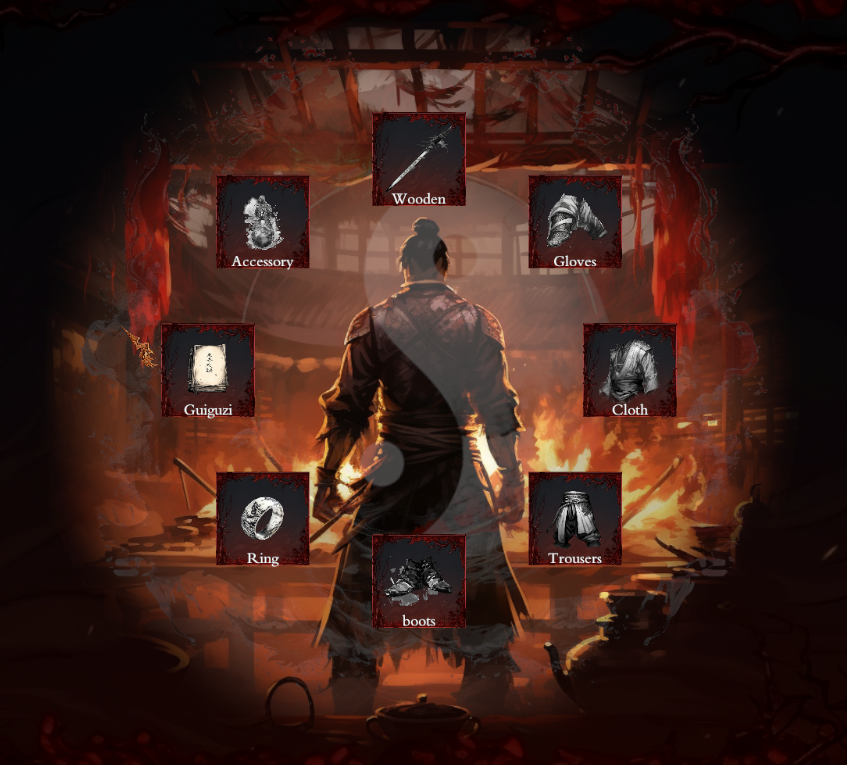
In the equipment screen, you can see each gear slot (weapon, gloves, upper body, pants, shoes, ring, accessory, ancient book, etc.). After refinement, the item becomes part of your character — think of it as turning materials and gear into your actual combat structure.
✅ Clean, straightforward flow: refine new gear → auto replace → old gear is destroyed ✅ No cluttered inventory full of outdated gear ✅ Every upgrade is a real step forward — not just a cosmetic swap
2) Refinement is randomized: you’re not gambling for numbers — you’re gambling for caps
Gear has levels: higher level means higher attack/defense.
But your power doesn’t come from level alone. Refinement can randomly roll key “growth slots,” such as:
Bonus Attack / Defense (direct power boost)
Max level cap (how far this gear can be upgraded)
Max gem slots (how many gems you can socket)
Max enchant slots (how many enchantments you can stack)
So you’re not just forging “the same sword” repeatedly — you’re forging different destinies. Even the same weapon name can lead to totally different builds depending on what it rolls.
3) Blacksmith forging: no materials, no power
You must gather materials first, then forge at the blacksmith. The forging UI shows required materials and amounts — if you don’t have them, you don’t forge. Simple.
And forging isn’t just a one-click button game:
The more you forge → the higher your Smithing skill → the higher your success rate
The more you forge, the more you become a real blacksmith — not just someone pressing a UI button
Steam post imageSteam post image
4) Gems: gems also have levels, and they enhance your “core stats”
Gems have their own levels, and leveling them up improves their stats, such as:
Max Inner Power
Max HP
Attack
Crit Chance
…and more attributes that shape your build
Gems aren’t just “nice to have.” They’re often what turns a character from capable into dangerous. (As long as your gear has enough gem slot capacity.)
5) Enchantments: strengthening base attributes and mobility
Enchantments focus on improving baseline performance, including (but not limited to):
Base attribute boosts (more stable, tougher, harder-hitting)
Mobility upgrades (better chase, escape, positioning)
Extra jumps and movement extensions (changing the pacing of combat itself)
In short: Gems shape your stats and build direction. Enchantments shape your feel and performance. Together, they make character growth far more noticeable.
Closing
With this system in place, the progression path becomes much clearer:
Forging builds the foundation. Random rolls define the cap. Gems and enchantments define the build.
Source
Changelog.gg summarizes and formats this update. How we read updates.