
In this update7
Full notes
Full Knock on the Coffin Lid update
Read the full published notes in a cleaner layout. The original post stays linked below.
What changed
- Gameplay
- UI and audio
Knock on the Coffin Lid changes
Knock-knock, travelers!
Today’s diary is a themed one, dedicated entirely to the New Agreement. I’d like to tell you more about this most epic and significant location of Midian. But first, a small poll.
Some of our users had their DLC disappear, and we fixed that bug, or so we thought, but isolated complaints keep coming in. We have to assess the scale of the problem. For that, we’ll need as many players as possible whose DLC keeps disappearing, strange as that may sound. If you’re having this issue, please write about it in the comments. If you had this issue before but no longer do, please don’t give in to laziness and leave a comment as well. Thanks in advance, and let’s go.
The New Agreement is a Big Deal
If you’re familiar with the chronology of Midian and/or have read Vanadis’ autobiography, you already have a general idea of the New Agreement, but that’s just the tip of the iceberg. Now let’s dive deeper; it’s worth it.
The Beginning
When the first agreement was broken, the gods and the demons nearly clashed in an apocalyptic battle, but managed to come to a compromise. Their new agreement isn’t written on paper—it’s carved in stone. Together they built a city whose walls are inscribed with the texts of the new agreement. It’s much more reliable that way!
Naturally, all the texts are in an ancient language that a few remember poorly and no one remembers well.
T he New Agreement Is a City
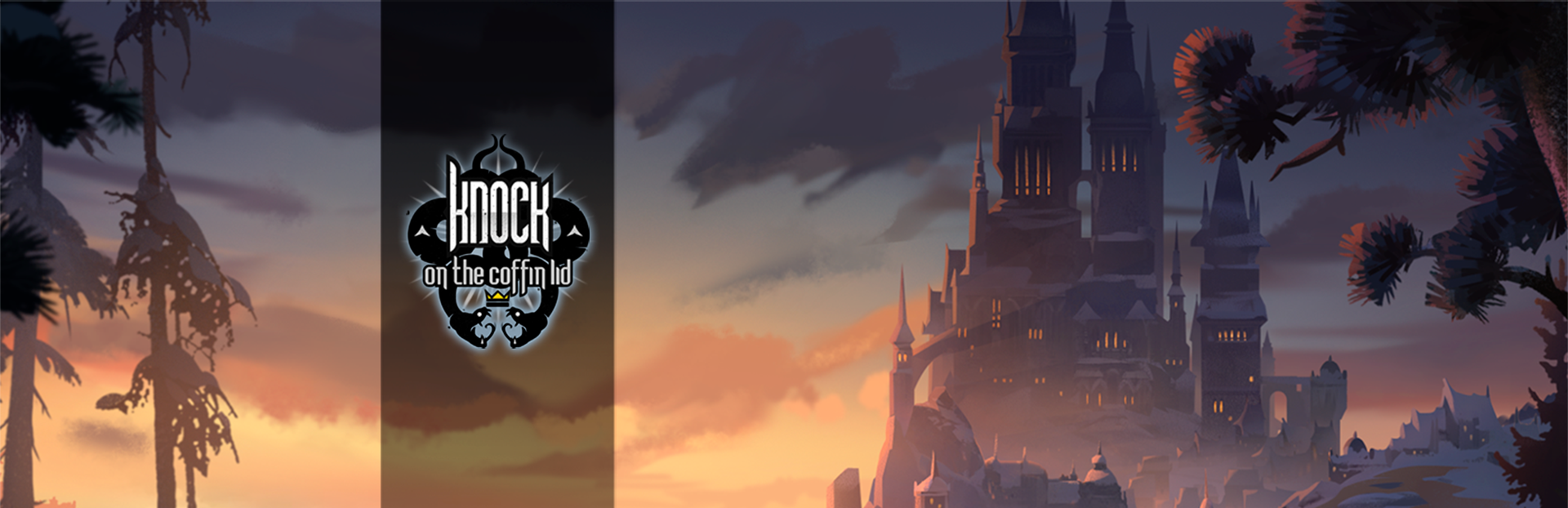
So, the New Agreement is a city of incredible size; mortals could never have created anything like it. The aboveground part was built by the gods. They raised the tallest buildings and the broadest avenues from monolithic stone, enclosing them with impregnable city walls. The underground part was built by the demons—they didn’t waste time on trifles either and made an entire city beneath the city. The walls of the underground city are also covered with the words of the new agreement. There’s a legend that the texts above ground and below differ slightly, but no one has managed to confirm or refute that.
Anyone can settle in the New Agreement, but throughout its existence, it’s never been fully populated because there’s a catch.
If you want to live in the center or near the city gates, you’ll have to pay a hefty sum. Meanwhile, houses on the outskirts, by the dead-end city wall, are empty and cost nothing. That sounds tempting—until you meet the neighbors.
The Neighbors
The center of the New Agreement is, without exaggeration, the quintessence of life in Midian—but you won’t be let in unless your collar is white enough.
All the imperial nobility have set up their residences there to enjoy life to the fullest. All the best goods and services flow there and are sold at exorbitant prices—any whim if you’re ready to pay.
The Periphery
Around the center are the finest craftsmen of every trade: tailors, blacksmiths, armorers, furniture makers, cooks—anyone you can think of. If the highest-quality goods and services are sold somewhere, and you know how to make or provide them, it makes sense to live close to your clients. That’s only logical, right?
Sounds pretty boring, doesn’t it? Craftsmen dream of their own little piece of happiness too, so the artisan districts are full of bars and brothels. And we’re gradually moving toward the outskirts.
The Outskirts
That’s where workpeople and bandits live. The closer to the center, the more workers. The farther out, the more bandits. Have you changed your mind about settling in the New Agreement, yet?
Meanwhile, the gods and the demons only chuckle as they watch from somewhere up there. I’ve deliberately laid it on thick to mentally prepare you for the story of the underground part of the New Agreement, which was built by the demons. It’ll be more fun down there.
I think many of you have already guessed that in creating this city I was influenced by Necromunda. But honestly, my main source of inspiration was 19th-century Paris.
Source
Changelog.gg summarizes and formats this update. How we read updates.