Repeated intro
Hey everyone! Today we want to share a bit of behind-the-scenes context on how Critical Shift became what it is now.
What changed
0 fixes2 additions3 changes0 removals
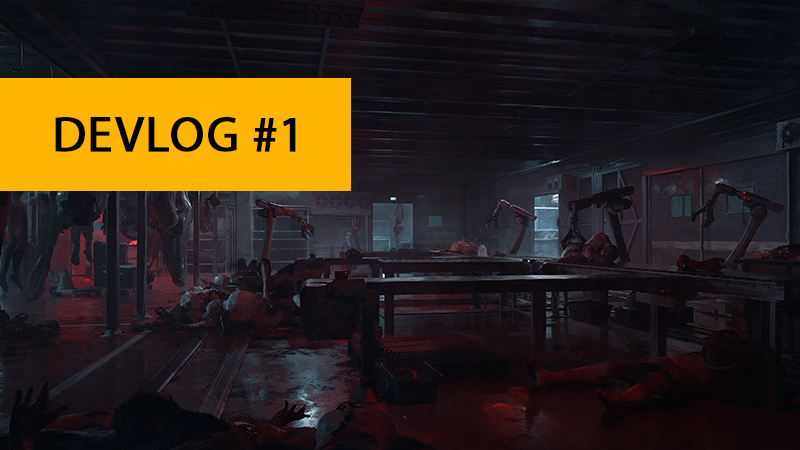
addedOriginally, we were building a story-driven tactical game. But while playtesting early prototypes, we noticed something unexpected: the exploration phase - navigating underground corridors, offices, labs, storage rooms - started giving us the same kind of vibe you get from old-school survival horror (think classic Resident Evil era). Not because we were trying to imitate anything, but because the spaces, pacing, and tension naturally pushed the experience in that direction. Of course, turn-based tactical combat isn’t “scary” in the usual sense. But in those prototypes the enemies were genuinely dangerous, resources were scarce, and we didn’t even have a proper save system yet. That meant exploration wasn’t “tourism” - it was survival. You moved carefully, you paid attention, you used everything you could, because one bad decision could send you back to the start. That’s the moment we realized: maybe we should lean into this and add more survival-horror elements on purpose.
changedSteam post image The main place to do that is exploration. We’re focusing on real resource scarcity so that loot feels precious, not routine. We’re scattering lore and narrative details across locations, and supporting curiosity with short notifications and commentaries when you interact with the environment - the kind of small touches that make the world feel present and lived-in.
addedAnd then there’s the atmosphere: visual detail, lighting, and especially audio - because in this genre sound is half the experience. We’re building a dense soundscape: ambient layers, distant machinery, generators, subtle environmental cues, unsettling “something’s not right” details, and creature sounds that don’t always come with clear answers. We’re also adding audio feedback to lots of interactions, so the world doesn’t feel silent or game-y - it feels like a place you’re intruding into.
changedWe also tried to support this approach in battles. Enemies aren’t just obstacles - they’re threats. Combat leans sandboxy: noise matters, and if you’re careless you can pull the attention of a small group… or half the map. Doors can be opened and closed to block line of sight, buy time, hide, or even escape an especially rough fight, regroup, and come back better prepared.
changedWe’d really love to hear what you think: does this kind of tense, careful exploration sound like something you’d enjoy?
Critical Shift changes
addedOriginally, we were building a story-driven tactical game. But while playtesting early prototypes, we noticed something unexpected: the exploration phase - navigating underground corridors, offices, labs, storage rooms - started giving us the same kind of vibe you get from old-school survival horror (think classic Resident Evil era). Not because we were trying to imitate anything, but because the spaces, pacing, and tension naturally pushed the experience in that direction. Of course, turn-based tactical combat isn’t “scary” in the usual sense. But in those prototypes the enemies were genuinely dangerous, resources were scarce, and we didn’t even have a proper save system yet. That meant exploration wasn’t “tourism” - it was survival. You moved carefully, you paid attention, you used everything you could, because one bad decision could send you back to the start. That’s the moment we realized: maybe we should lean into this and add more survival-horror elements on purpose.
changedSteam post image The main place to do that is exploration. We’re focusing on real resource scarcity so that loot feels precious, not routine. We’re scattering lore and narrative details across locations, and supporting curiosity with short notifications and commentaries when you interact with the environment - the kind of small touches that make the world feel present and lived-in.
addedAnd then there’s the atmosphere: visual detail, lighting, and especially audio - because in this genre sound is half the experience. We’re building a dense soundscape: ambient layers, distant machinery, generators, subtle environmental cues, unsettling “something’s not right” details, and creature sounds that don’t always come with clear answers. We’re also adding audio feedback to lots of interactions, so the world doesn’t feel silent or game-y - it feels like a place you’re intruding into.
changedWe also tried to support this approach in battles. Enemies aren’t just obstacles - they’re threats. Combat leans sandboxy: noise matters, and if you’re careless you can pull the attention of a small group… or half the map. Doors can be opened and closed to block line of sight, buy time, hide, or even escape an especially rough fight, regroup, and come back better prepared.
changedWe’d really love to hear what you think: does this kind of tense, careful exploration sound like something you’d enjoy?
Originally, we were building a story-driven tactical game. But while playtesting early prototypes, we noticed something unexpected: the exploration phase - navigating underground corridors, offices, labs, storage rooms - started giving us the same kind of vibe you get from old-school survival horror (think classic Resident Evil era). Not because we were trying to imitate anything, but because the spaces, pacing, and tension naturally pushed the experience in that direction. Of course, turn-based tactical combat isn’t “scary” in the usual sense. But in those prototypes the enemies were genuinely dangerous, resources were scarce, and we didn’t even have a proper save system yet. That meant exploration wasn’t “tourism” - it was survival. You moved carefully, you paid attention, you used everything you could, because one bad decision could send you back to the start. That’s the moment we realized: maybe we should lean into this and add more survival-horror elements on purpose.
Steam post image The main place to do that is exploration. We’re focusing on real resource scarcity so that loot feels precious, not routine. We’re scattering lore and narrative details across locations, and supporting curiosity with short notifications and commentaries when you interact with the environment - the kind of small touches that make the world feel present and lived-in.
And then there’s the atmosphere
visual detail, lighting, and especially audio - because in this genre sound is half the experience.
We’re building a dense soundscape
ambient layers, distant machinery, generators, subtle environmental cues, unsettling “something’s not right” details, and creature sounds that don’t always come with clear answers. We’re also adding audio feedback to lots of interactions, so the world doesn’t feel silent or game-y - it feels like a place you’re intruding into.
We also tried to support this approach in battles. Enemies aren’t just obstacles - they’re threats. Combat leans sandboxy: noise matters, and if you’re careless you can pull the attention of a small group… or half the map. Doors can be opened and closed to block line of sight, buy time, hide, or even escape an especially rough fight, regroup, and come back better prepared.
Saves are a tricky topic in a game like this. Too many saves can flatten tension - but no saves can easily become frustrating.
So we’re handling it through difficulty
saves will be more or less available depending on how intense you want the experience to be.
So that’s how we ended up here
a tactical game that, during prototyping, unexpectedly started leaning toward a more survival-horror-ish kind of exploration. We’re trying to support that feeling where it makes sense, without forcing it or turning the game into something it isn’t.
We’d really love to hear what you think: does this kind of tense, careful exploration sound like something you’d enjoy?