
Full notes
Full Beneath the Quiet: Where It Ends update
Read the full published notes in a cleaner layout. The original post stays linked below.
Repeated intro
Hello Everyone,
What changed
- Balance
Beneath the Quiet: Where It Ends changes
This time, we wanted to do something a little different with our devlog.
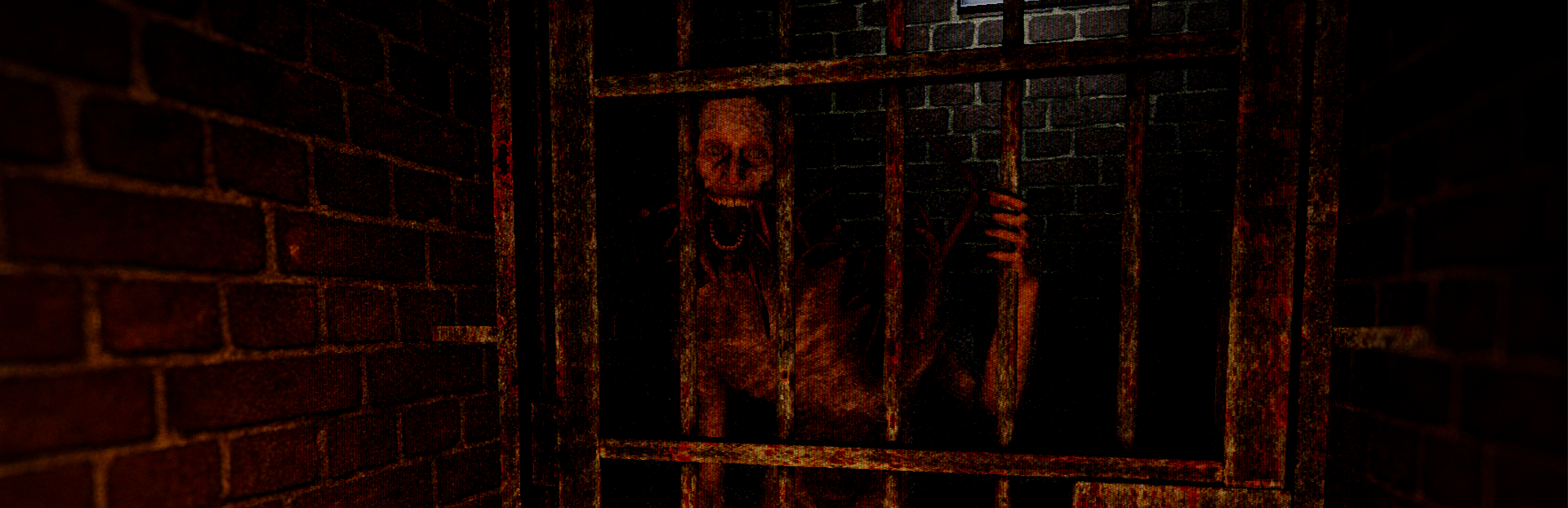
Instead of talking about general progress, we wanted to focus on one of the most important parts of Beneath the Quiet: Where It Ends: the game's central enemy.
A more limited version of this system is already present in the demo, but in the full game it has much more room to breathe. That gave us the chance to push it far beyond a basic patrol-and-chase horror AI and shape something that feels much more deliberate, oppressive, and hard to predict.
Most horror games make you scared of what you see. We wanted to make you scared of what the enemy knows.
From the start, the goal was never to make an enemy that just sprints at the player the moment something gets triggered. We wanted it to feel like it was hunting you, even after you thought you had escaped.
What makes that possible is simple: it remembers.
When the enemy sees you, it does not instantly forget everything the second you break line of sight. It remembers where it saw you, how clearly it saw you, and how recent that information is. That memory fades over time, but not immediately, which means turning a corner is not the same as vanishing.
That changes how hiding feels. In a lot of horror games, once you get into a hiding spot, most of the tension is gone. Here, hiding only works if you are actually hidden. The moment you start peeking out to keep track of the enemy, you are taking a real risk. The closer it is, the worse that risk gets. A hiding spot can keep you alive, but curiosity can still get you killed.
We also wanted the enemy to stay threatening after a chase. When it loses sight of you, it does not just reset and wander off like nothing happened. It keeps pressure on the area, searches with purpose, and acts like something that knows you probably did not get far. That quiet stretch after a chase, when you are sitting still and listening for footsteps, often ends up being more stressful than the chase itself.
A big part of the design was making sure the enemy feels intelligent without cheating. It does not teleport, it does not magically know your exact location, and it does not read your inputs. Instead, it uses sight, hearing, memory, and search behavior to make decisions that feel believable and unsettling.
That was always the goal: not just an enemy that scares you when it appears, but one that makes you doubt your own decisions. Should you peek? Should you stay where you are? Should you run now, or wait a little bit? We wanted every encounter to feel like it could fall apart because of a single bad choice.
This is only one part of how we built this central enemy's behavior in Beneath the Quiet: Where It Ends, but it is one of the systems we are most proud of.
More updates soon.
Source
Changelog.gg summarizes and formats this update. How we read updates.