
Full notes
Full War Mechanic update
Read the full published notes in a cleaner layout. The original post stays linked below.
What changed
- Workshop
- Gameplay
- Security
Energy is one of the absolutely core mechanics in War Mechanic. Without it, you won’t expand your base, power your workshop, craft new tools, or complete contracts. Every single action you take inside the base consumes energy. Even placing an automated defense turret requires not only materials, but also the energy needed to build it - and to keep it running afterward.
There are several ways to obtain energy. The most primitive is blasting coal out of the ground, loading it into a cart, and burning it in a massive furnace. Simple and effective, but also time-consuming and far from efficient.
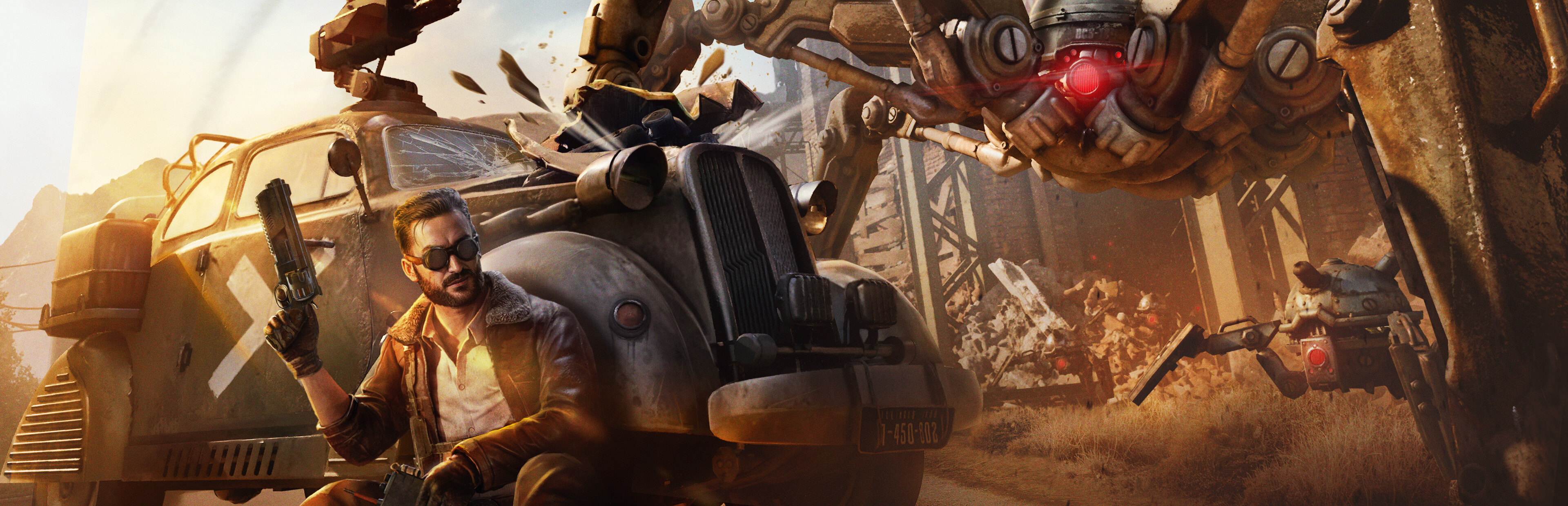
The most powerful way to gather and transport energy, however, is your vehicle. It can carry energy from special relays scattered across the island. It’s a risky operation - these places are usually well-protected, and the road back is often dangerous - but the energy you collect this way is far more durable and significantly more valuable.
Your ride is your fortress. It protects you, lets you haul materials, transport energy, and escape when things get too hot. Neglect it, and you won’t get far. Regular repairs, upgrades, and tuning your vehicle to your playstyle are absolutely essential.
You can build a fast, lightweight machine perfect for scouting – but fragile. Or go for a heavily armored beast that can survive almost anything… at the cost of massive fuel consumption. And walking around the island with a gas canister may very well be the last thing you ever do.
You’ll also be able to install unique vehicle perks that let you access specific areas, complete certain tasks, or simply reshape the way you play.
Contracts are your main source of income. They’re varied, but intentionally straightforward – the goal is for you to decide how to manage your time, energy, and resources.
Smart planning will make you richer, help you expand the base, and unlock new infrastructure that consumes not only materials, but also cash.
[carousel autoadvance="true"][/carousel]
The blaster is a technological marvel of these grim times - a tool capable of melting down almost any metal into usable parts. It allows you to repair crucial components of your vehicle during expeditions, often making the difference between survival and failure. It’s also how you extract coal, especially important early in the game when you’re still fighting for a stable energy supply.
“Norton” is the working name of the main computer in your base office - and later, in captured outposts across the island. Through it you can:
accept contracts
monitor your task progress
expand your base and unlock new modules
But that’s not your only management unit. Inside the workshop you’ll find its counterpart - a device that lets you order parts, components, and tools needed for your missions.
There’s also a special machine in the base: throw in a damaged part… and moments later you get it back as good as new. Very few things in Nordhook are this reliable - it’s an invaluable lifeline during intense contract chains.
Nordhook is divided into several distinct regions with increasing difficulty. You’re free to pursue objectives in an open-world fashion or follow the larger storyline that slowly reveals the secrets of every corner of the island.
Capturing a region will usually require a boss fight - an intense encounter where preparation, the right gear, and a solid strategy make all the difference.
Your ultimate goal is to take control of the entire island. And that’s only the beginning. After the main story is complete, we plan to introduce additional challenges crafted for players who enjoy tougher battles and endgame progression.
WEAPONS & ENEMIES
We touched on this in the previous devlog, but we want to highlight a few key points. You’ll find several weapon types in the game, each distinct enough to fit a different playstyle or counter specific enemy types. Weapons can also be modified.
Enemies will often operate in groups. Some hordes will focus on attacking your vehicle directly, while smaller squads will be more diverse in behavior.
At the end of many challenges, a boss will be waiting - a demanding opponent with both weaknesses and strengths you’ll have to identify and exploit.
clik link bellow to join Discord
clik link bellow to check Kickstarter page
Source
Changelog.gg summarizes and formats this update. How we read updates.