
Skyclimbers
Steam News 31 March 20251y ago

Skyclimbers Q1 Newsletter - Hostile Factions Devlog

Our first update of 2025 completes the hostile faction systems for Beta and integrates various new game mechanics into the core loop. This development cycle introduces faction villages, diplomacy, and deeper combat feat…

Update log

Full Skyclimbers update

The complete published notes, normalized for clean reading and source attribution.

Extracted changes

0 fixes2 additions0 changes0 removals
  • Compatibility
addedOur first update of 2025 completes the hostile faction systems for Beta and integrates various new game mechanics into the core loop. This development cycle introduces faction villages, diplomacy, and deeper combat features, providing new gameplay opportunities.
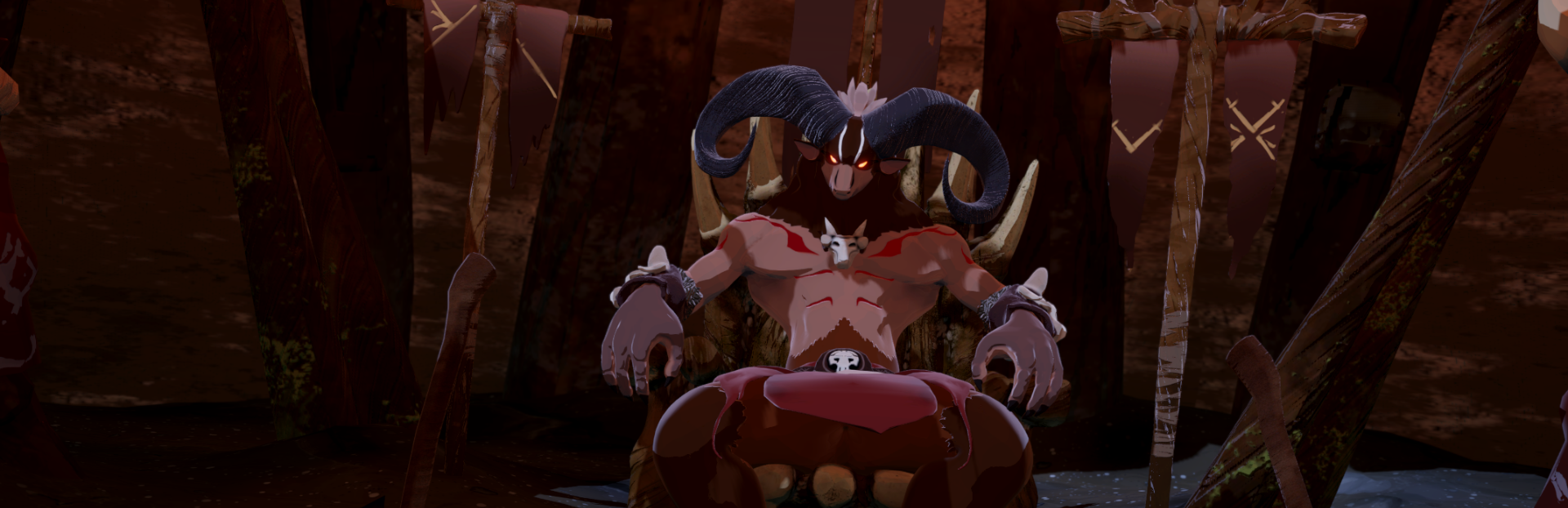
addedIn case you missed our previous updates, here is a montage of our progress over the last year, covering all aspects of development leading towards the Beta.The wilderness has grown more dangerous and complex. What were once scattered bands of enemies have transformed into organized societies with territorial ambitions to rival your own. The Yagi, goat-men warriors of Drakonia, now function as a war-hardened clan with unique social structures, economies, and village systems. The Yagi now establish fortified villages, governed by a strict hierarchy, where every rank serves a distinct purpose. From lowly thralls to powerful leaders, the Yagi create a dynamic threat that evolves alongside the player. Hostile factions use primitive but brutal architecture to intimidate opponents and keep unwanted visitors out of their settlements. Complex social and economic behaviors evolve to match the players' increased skills and technology. This rivalry makes up a fundamental aspect of the city-building game loop. At the foundation of Yagi society are the thralls, laborers who handle construction and basic resource gathering. Though generally frail, some thralls rise in rank through displays of exceptional violence, cunning, or unwavering loyalty New procedural character systems randomize every spawned Thrall, ensuring diverse gameplay encounters within a familiar theme. Thralls exist in harsh conditions, crowded into crude shelters or kneeling before sacrificial pits, where new thralls are summoned. When settlements expand or require rebuilding after battle, thralls perform the hardest labor. Those who falter face grim fates – exile, execution, or sacrifice. Warrior class Yagi stand watch at towers and ensure thralls keep working, with direct orders from their leader, they have the authority to dispatch any dissenters from within their ranks. Thralls that survive long enough to prove themselves go on become specialists, taking on roles similar to human villagers. Miners, woodcutters, blacksmiths, merchants and butchers are the five specialist types. Smiths transform raw materials into weapons, tools and crude armor. Blacksmiths hold knowledge passed down through generations of captive thralls, incorporating techniques stolen from human settlements. Merchants oversee the distribution of goods within a Yagi settlement and facilitate limited trade with other clans. If the player earns sufficient standing with a Yagi clan, merchants may offer access to unique items not found in human settlements. Butchers process Sentius meat. Their workshops contain tools for breaking down carcasses and preserving meat through various means. The most skilled butchers prepare ceremonial meals to fuel warriors before major battles. Miners excavate stone and ores from nearby deposits. Their primitive tools require brute strength rather than technique. The most valued miners know which materials best serve the clan’s needs for weapons and construction. Woodcutters are often positioned at the settlement perimeter, providing raw materials for construction, weaponry and ceremonial pyres. With violence and warfare at the center of clan culture, they split ranks according with social standing and ride into battle with this in mind. Thralls participate in major battles, deployed on the front lines to slow enemy advances. For those who survive, the chance to rank up can occur mid-battle, with weapons passed to those still standing in formation. Tier 1 warriors make up secondary lines, with Tier 2 units taking on command roles,

Our first update of 2025 completes the hostile faction systems for Beta and integrates various new game mechanics into the core loop. This development cycle introduces faction villages, diplomacy, and deeper combat features, providing new gameplay opportunities.

In case you missed our previous updates, here is a montage of our progress over the last year, covering all aspects of development leading towards the Beta.

The wilderness has grown more dangerous and complex. What were once scattered bands of enemies have transformed into organized societies with territorial ambitions to rival your own. The Yagi, goat-men warriors of Drakonia, now function as a war-hardened clan with unique social structures, economies, and village systems. The Yagi now establish fortified villages, governed by a strict hierarchy, where every rank serves a distinct purpose. From lowly thralls to powerful leaders, the Yagi create a dynamic threat that evolves alongside the player. Hostile factions use primitive but brutal architecture to intimidate opponents and keep unwanted visitors out of their settlements. Complex social and economic behaviors evolve to match the players' increased skills and technology. This rivalry makes up a fundamental aspect of the city-building game loop. At the foundation of Yagi society are the thralls, laborers who handle construction and basic resource gathering. Though generally frail, some thralls rise in rank through displays of exceptional violence, cunning, or unwavering loyalty New procedural character systems randomize every spawned Thrall, ensuring diverse gameplay encounters within a familiar theme. Thralls exist in harsh conditions, crowded into crude shelters or kneeling before sacrificial pits, where new thralls are summoned. When settlements expand or require rebuilding after battle, thralls perform the hardest labor. Those who falter face grim fates – exile, execution, or sacrifice. Warrior class Yagi stand watch at towers and ensure thralls keep working, with direct orders from their leader, they have the authority to dispatch any dissenters from within their ranks. Thralls that survive long enough to prove themselves go on become specialists, taking on roles similar to human villagers. Miners, woodcutters, blacksmiths, merchants and butchers are the five specialist types. Smiths transform raw materials into weapons, tools and crude armor. Blacksmiths hold knowledge passed down through generations of captive thralls, incorporating techniques stolen from human settlements. Merchants oversee the distribution of goods within a Yagi settlement and facilitate limited trade with other clans. If the player earns sufficient standing with a Yagi clan, merchants may offer access to unique items not found in human settlements. Butchers process Sentius meat. Their workshops contain tools for breaking down carcasses and preserving meat through various means. The most skilled butchers prepare ceremonial meals to fuel warriors before major battles. Miners excavate stone and ores from nearby deposits. Their primitive tools require brute strength rather than technique. The most valued miners know which materials best serve the clan’s needs for weapons and construction. Woodcutters are often positioned at the settlement perimeter, providing raw materials for construction, weaponry and ceremonial pyres. With violence and warfare at the center of clan culture, they split ranks according with social standing and ride into battle with this in mind. Thralls participate in major battles, deployed on the front lines to slow enemy advances. For those who survive, the chance to rank up can occur mid-battle, with weapons passed to those still standing in formation. Tier 1 warriors make up secondary lines, with Tier 2 units taking on command roles,

Source

Steam News / 31 March 2025

Open original