
Full notes
Full Setback™ update
Read the full published notes in a cleaner layout. The original post stays linked below.
Repeated intro
Hello there!
What changed
- Gameplay
- Balance
- Maps
- Store
I’m Lasse from Riddlebit Software. As the level designer for Setback, my task is to provide players with entertaining and engaging levels to play on.
What is Level Design?
At its core, level design is the process of creating levels within a video game. From the player's perspective, there is no difference between level design and environment art. However, anything that affects the game world is level design. It's an intricate process involving art, psychology, programming, and even culture. As a level designer, I need to think about the player’s experience, the game world, and the desired outcome of a level. Level design is also about solving problems, designing challenges, and creating engaging experiences to entertain players.
Tools and Techniques
The most common tools I use are game engines like Unreal Engine and design software like Blender. I also make use of modular pieces (pieces made to fit together according to a common pattern) to work quickly, then actively apply logic to my workflow to try out what works. It’s important for a level designer to have intimate knowledge of the game and how it plays to provide a good experience. Even the most beautiful and intricate level is useless if it doesn’t fit well with the game’s objectives.
How to Approach Level Design
Pre-Planning
When we start work on a new level for our game, we begin with a series of planning and research meetings. The team gets together and brainstorms ideas about what our newest level will play like, what visual themes we want, and what experience the player will have while playing it. We add onto our initial draft with several sessions where we define more clearly what we want to have in our level until we reach a concession.
Blockout
After we have a defined plan ready for our level, we move onto the first draft, which we call the Blockout. This is commonly known as Grayboxing. During the blockout phase, we place down a bunch of blocks to roughly define the flow of the level and sort out issues like scale, cover, and balance. We didn’t have the photos on hand to show our blockout phase (whoops), so we borrowed the image above from this great blog: [https://www.blog.radiator.debacle.us/2017/09/how-to-graybox-blockout-3d-video-game.html]. Check out the blog to see a paint over of the above blockout that is closer to the final product!
Whitebox
After the blockout has been defined and set up, the rest of the team will know what dimensions they have to work with when they are making assets for the level. We can then move onto making the design more defined and visually appealing. Here we add most of the detail into the assets, and we begin to see what the final look of the level will be like.
Polish
The rest is just polishing, fixing bugs, and creating a proper atmosphere before finally showing it to the players.
Same thing here we didn’t have this image on hand so we borrowed the images from another great blog: [https://www.worldofleveldesign.com/categories/interviews/pete-ellis-level-design.php]. Check it out for more information on level design!
Touchups and Playtesting
As most of the staff here at the studio are human, we are bound to miss things. And you, the players, are usually the ones to locate any bugs we might have. This includes finding camping spots we didn’t realize, accessing areas you shouldn’t, and any number of surprises we didn’t foresee. This is why playtesting and feedback is so important for us, as we can locate these quickly and work to fix them asap.
Setback's Current Levels
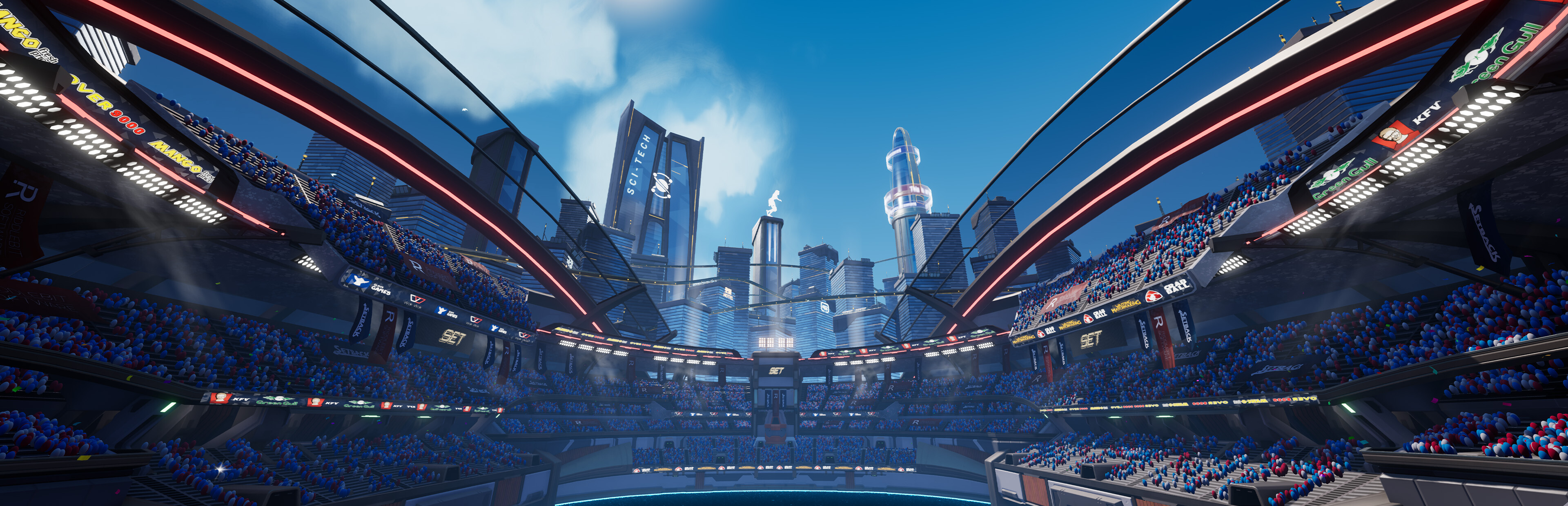
At this stage of development for our game, we have several first drafts for you to play on, and they of course are not representative of the final look. We know they are blocky and look like Minecraft currently, but this is all part of the process! As we are defining how Setback will play and feel with our players through development, having a rough draft of our maps that we can tweak through player feedback is extremely useful. As indie developers, we have many tasks to deal with here at the studio, and in 2023, we hope to show you what our vision for Setback really is!
Future Dev Blogs
This was our first dev blog of many! Part of being an indie game dev is exchanging knowledge with other devs so that we can all make the best games possible. We want to share that knowledge with the world and hopefully help others learn tips and tricks to optimize their own projects! Wishlist Setback and follow our Steam Store page to stay ahead of the game 🎮. If you want to discuss something mentioned in this blog, join our Discord and ask away!
Source
Changelog.gg summarizes and formats this update. How we read updates.