
HomeGamesUpdatesPricingMethodology
Steam News26 January 20266mo ago

Foundations: Why Space Comes Before Everything Else

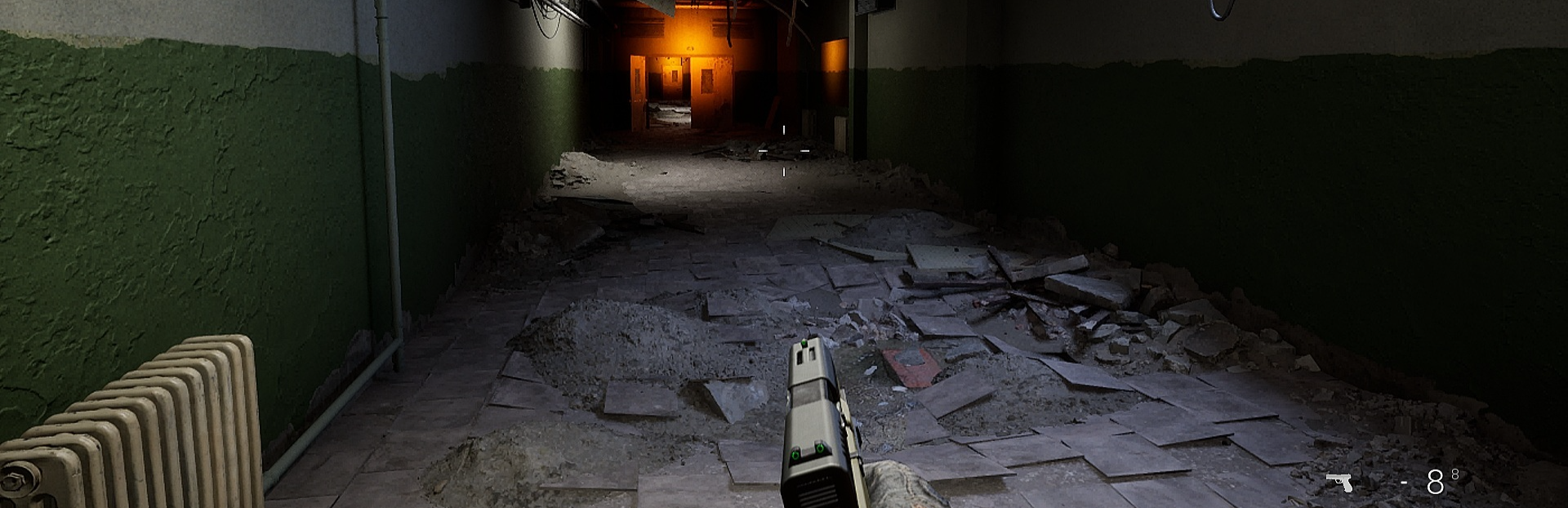
Before systems, mechanics, or enemies, we started with space. In NO CLEAN START, space is not just a container for gameplay. It’s the first system the player interacts with.

Full notes

Full No Clean Start update

Read the full published notes in a cleaner layout. The original post stays linked below.

What changed

0 fixes2 additions2 changes0 removals
  • Gameplay
  • UI and audio
addedIn NO CLEAN START , space is not just a container for gameplay. It’s the first system the player interacts with. Long before any explicit rule is introduced, the environment already teaches how to move, where to hesitate, and when something feels wrong.
changedA narrow corridor slows you down. A turn hides information. A long straight path creates expectation. None of this requires UI, prompts, or tutorials. The space itself does the work.
addedThis approach is intentional. NO CLEAN START isn’t built around constant novelty, but around recognition. Progression isn’t just about unlocking new things — it’s about understanding a place deeply enough to navigate it with confidence.
changedIn the next updates, we’ll start breaking down how specific elements — like doors and movement control — are designed to reinforce this spatial logic rather than override it.

No Clean Start changes

addedIn NO CLEAN START , space is not just a container for gameplay. It’s the first system the player interacts with. Long before any explicit rule is introduced, the environment already teaches how to move, where to hesitate, and when something feels wrong.
changedA narrow corridor slows you down. A turn hides information. A long straight path creates expectation. None of this requires UI, prompts, or tutorials. The space itself does the work.
addedThis approach is intentional. NO CLEAN START isn’t built around constant novelty, but around recognition. Progression isn’t just about unlocking new things — it’s about understanding a place deeply enough to navigate it with confidence.
changedIn the next updates, we’ll start breaking down how specific elements — like doors and movement control — are designed to reinforce this spatial logic rather than override it.

Before systems, mechanics, or enemies, we started with space.

In NO CLEAN START, space is not just a container for gameplay. It’s the first system the player interacts with. Long before any explicit rule is introduced, the environment already teaches how to move, where to hesitate, and when something feels wrong.

This is why the early development focused almost entirely on contained, readable spaces. Not large areas, not spectacle, but layouts that communicate intention. Corridors, thresholds, blind corners, dead ends — these elements are not decorative. They define tension, safety, and risk.

A narrow corridor slows you down. A turn hides information. A long straight path creates expectation. None of this requires UI, prompts, or tutorials. The space itself does the work.

Designing space this way also means accepting limitations. Rooms need to make sense. Connections must be consistent. Shortcuts should feel earned, not granted. The environment has to be something the player can learn, recognize, and remember.

This approach is intentional. NO CLEAN START isn’t built around constant novelty, but around recognition. Progression isn’t just about unlocking new things — it’s about understanding a place deeply enough to navigate it with confidence.

Only after this foundation was in place did we begin layering additional systems on top of it. Doors, paths, behaviors, and interactions all depend on the structure beneath them.

In the next updates, we’ll start breaking down how specific elements — like doors and movement control — are designed to reinforce this spatial logic rather than override it.

For now, everything begins here. With space.

Source

Steam News / 26 January 2026

Open original post

Changelog.gg summarizes and formats this update. How we read updates.