
HomeGamesUpdatesPricingMethodology
Steam News10 May 201610y ago

Dev Blog #5 - Lets talk about progression!

Dev Blog #5 Lets talk about game progression! In the month or so that Light Repair Team #4 has been out, many people have commented that our puzzle progression is a bit different than other puzzle games on the market.

Full notes

Full Light Repair Team #4 update

Read the full published notes in a cleaner layout. The original post stays linked below.

What changed

0 fixes0 additions1 change0 removals
  • Gameplay
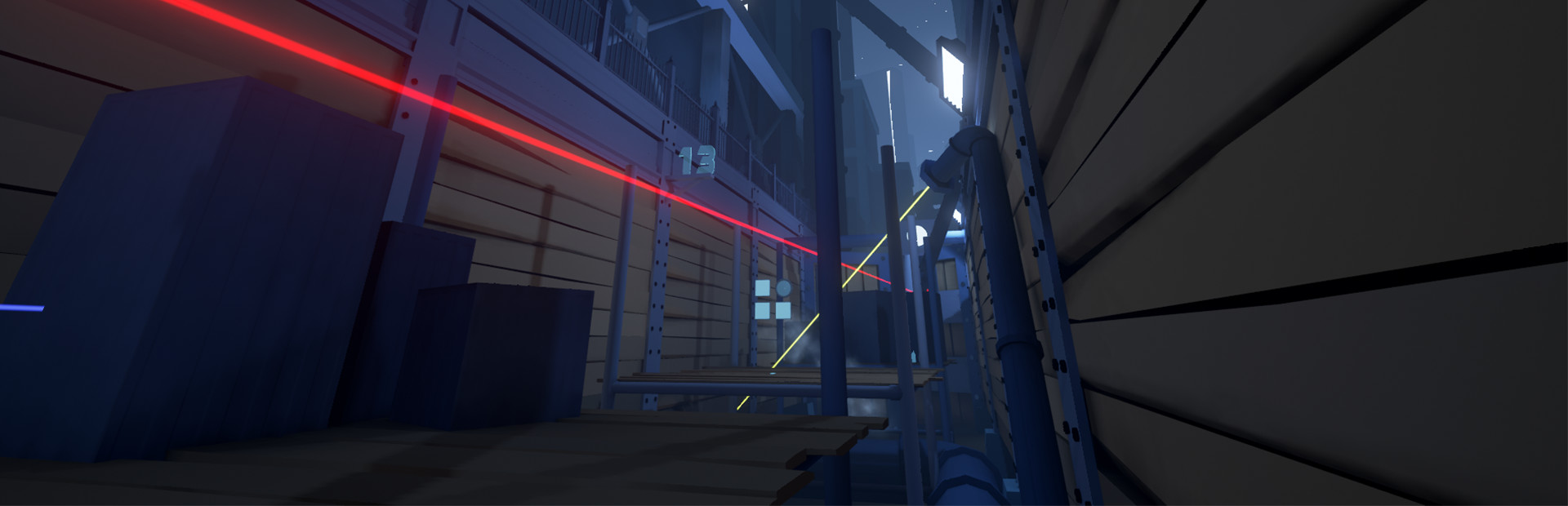
changedDev Blog #5 Lets talk about game progression! In the month or so that Light Repair Team #4 has been out, many people have commented that our puzzle progression is a bit different than other puzzle games on the market. In MANY games like Puzzle Dimension , Portal 1 /2 , FORCED , World of Goo , Crayon Physics , Legend of Zelda, QUBE and more, there is a linear progression of puzzles that you have to follow. There may be some variance, but it's all set progression. This is pretty standard, as that many of these games don't have exclusive tutorials and instead us gameplay based teaching to show how puzzle elements work. You have to play through the game to learn everything. We like this! We think that it's better for immersion to teach the player how to play the game while in the games environment and not through some guided tutorial zone. Arguably, doing in-environmental tutorials, rather than an exclusive tutorial 'zone' is very hard to design for, since there's so many weird cases and variables that you have to design around to keep it 'fun' and 'challenging.' Either way though, this is what we decided to do when coming up with the levels for Light Repair Team #4. Like mentioned before, Light Repair Team #4 doesn't force you to go through a tutorial, nor does it force you to start at level 1. We did this intentionally. We knew and trusted that people who wanted to play Light Repair Team #4 were going to be clever. If you wanted to start at level 16 instead of 1, go for it. You could figure it out and we weren't going to force you to go through 10 levels just to explain and reinforce how mirrors, lens and prisms work. We do teach how the mechanics work in the game during the first 10 levels for those who want to go through a more guided learning experience, but it wasn't required. Those types of levels could get boring and dull to some people and we wanted to give people the freedom to do what they wanted. This is a type of design choice that is executed flawlessly in The Witness . You're plopped into a world with no linear path; you're allowed to roam and explore where you want. We liked that. If you got stuck on a puzzle, you could leave that puzzle and come back to it later! We made it so that you could come and go to any level you wanted whenever you wanted. You could take the preset path, starting at level 1, or you could plunge in and try your hand at level 23. We don't care! We know linear puzzlers have a problem where if you get stuck on a puzzle, you can't get passed it. You have to pound your head against the wall over and over, trying to solve the puzzle just to progress. We don't like that, and we feel that we made a good decision to let you leave, try another puzzle, and come back. Now, we give you the ability to pick any level you want and play them in any order, buuuuuut, you don't really know what you're getting into when you do. With the current hub tunnel, you can see a bunch of numbers and receivers on the walls, but thats it. There is no information on what type of mechanics are in the level, what the environment is or, most importantly, if you've solved the puzzle before. Whoops.

Dev Blog #5 Lets talk about game progression! In the month or so that Light Repair Team #4 has been out, many people have commented that our puzzle progression is a bit different than other puzzle games on the market. In MANY games like Puzzle Dimension , Portal 1 /2 , FORCED , World of Goo , Crayon Physics , Legend of Zelda, QUBE and more, there is a linear progression of puzzles that you have to follow. There may be some variance, but it's all set progression. This is pretty standard, as that many of these games don't have exclusive tutorials and instead us gameplay based teaching to show how puzzle elements work. You have to play through the game to learn everything. We like this! We think that it's better for immersion to teach the player how to play the game while in the games environment and not through some guided tutorial zone. Arguably, doing in-environmental tutorials, rather than an exclusive tutorial 'zone' is very hard to design for, since there's so many weird cases and variables that you have to design around to keep it 'fun' and 'challenging.' Either way though, this is what we decided to do when coming up with the levels for Light Repair Team #4. Like mentioned before, Light Repair Team #4 doesn't force you to go through a tutorial, nor does it force you to start at level 1. We did this intentionally. We knew and trusted that people who wanted to play Light Repair Team #4 were going to be clever. If you wanted to start at level 16 instead of 1, go for it. You could figure it out and we weren't going to force you to go through 10 levels just to explain and reinforce how mirrors, lens and prisms work. We do teach how the mechanics work in the game during the first 10 levels for those who want to go through a more guided learning experience, but it wasn't required. Those types of levels could get boring and dull to some people and we wanted to give people the freedom to do what they wanted. This is a type of design choice that is executed flawlessly in The Witness . You're plopped into a world with no linear path; you're allowed to roam and explore where you want. We liked that. If you got stuck on a puzzle, you could leave that puzzle and come back to it later! We made it so that you could come and go to any level you wanted whenever you wanted. You could take the preset path, starting at level 1, or you could plunge in and try your hand at level 23. We don't care! We know linear puzzlers have a problem where if you get stuck on a puzzle, you can't get passed it. You have to pound your head against the wall over and over, trying to solve the puzzle just to progress. We don't like that, and we feel that we made a good decision to let you leave, try another puzzle, and come back. Now, we give you the ability to pick any level you want and play them in any order, buuuuuut, you don't really know what you're getting into when you do. With the current hub tunnel, you can see a bunch of numbers and receivers on the walls, but thats it. There is no information on what type of mechanics are in the level, what the environment is or, most importantly, if you've solved the puzzle before. Whoops.

Source

Steam News / 10 May 2016

Open original post

Changelog.gg summarizes and formats this update. How we read updates.