
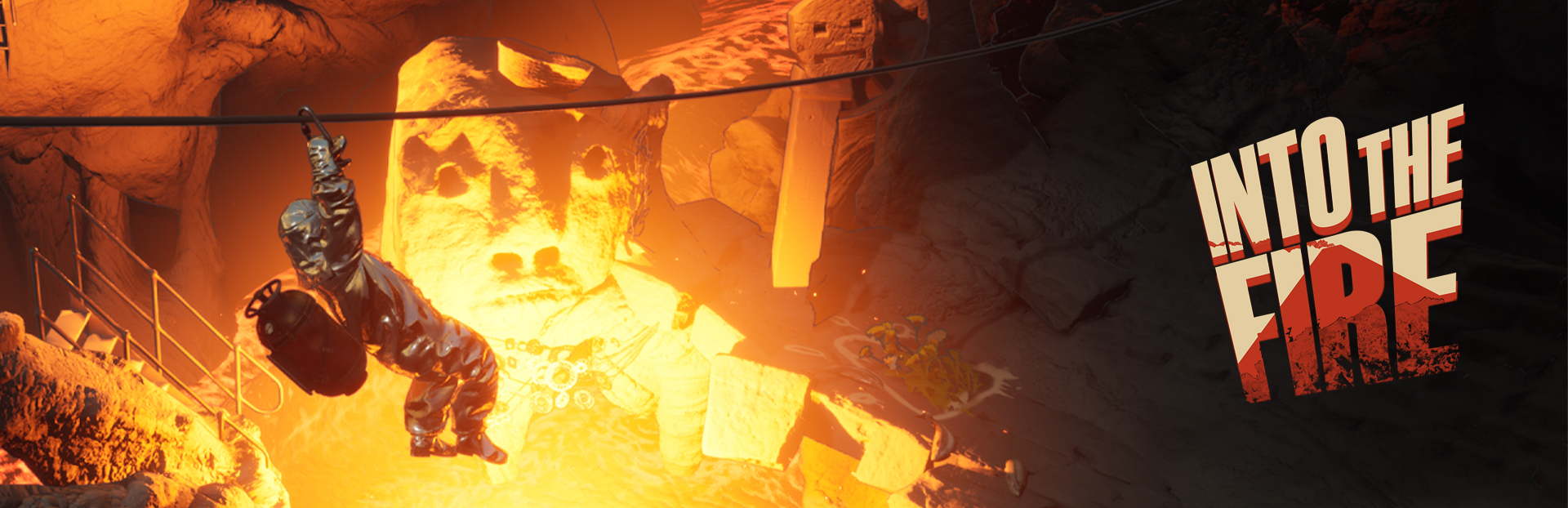
In this update8
Full notes
Full Into the Fire update
Read the full published notes in a cleaner layout. The original post stays linked below.
What changed
- Balance
- Gameplay
- Events
Into the Fire changes
Hello, Souls Seekers!
Welcome back to another Into The Fire devlog. First of all, we would like to thank you for the incredibly warm response to our previous post about extraction. It really means a lot to us and helps us shape the direction of the game.
If you haven’t had a chance to read it yet, you can check it out on our Steam page and catch up on how we approach extraction in Into The Fire.
Today, we want to focus on another key pillar of the experience in our game – survival. We will dive deep into what it means, how it connects to extraction, and why it plays such an important role in shaping your decisions. Let’s get down to business!
Survival in Into the Fire – More Than Just Staying Alive
Just like with extraction, we don’t treat survival as an empty word. Into The Fire is not just about going in, grabbing loot, and getting out. What sets it apart from many extraction shooters, (aside from being a single-player experience for now at least), is how strongly it leans into survival systems, especially through our HUB management.
Survival is not only something that happens during missions. It continues between them, in the space you are building and trying to protect.
The HUB Is Your Responsibility
Your HUB is your safe haven and it’s essential to your survival. This is the place where you can unfold stories of other survivors, enhance your gear, enrich your HUB with new buildings, and prepare to face the volcanic danger during the mission. In order to properly manage it, you need to constantly balance resources and make decisions that affect everyone inside. The good thing is that as you progress through the game, you will be able to automate a lot of aspects of HUB management.
In short, there are a couple of things you as a player will need to take care of. This includes: food, water, shelter, and morale which is crucial for a proper functioning of your HUB. Take care of it properly, and people will be willing to cooperate and help you. On the other hand, failing to meet their needs might result in losing their will to fight or even abandoning your HUB.
Now you see that every new person, animal, or even a plant you bring in increases both your potential but also your responsibility. Because survival in the HUB, it’s not just about you.
Who and What You Bring Back Matters
Once again, you have to constantly keep in mind that who and what you bring back from missions really matters. It’s not just a simple loot that gives you broader opportunities. People, animals, and plants are living parts of your HUB. They shape how it grows, how it functions, and what becomes possible.
But they also create pressure. Every time you decide to save another poor soul, you have to ask yourself a difficult question – can I actually keep them alive? Do I have enough resources to support them? Do I have enough space for them? Will I be able to protect them when the time comes? Speaking of protection…
The Volcano is Watching
The idea that your HUB is a permanent safe zone is an illusion. The volcano is always present and it reacts to your decisions. As your activity grows, so does the threat level. The world around you becomes more aggressive and much less predictable. This is where survival takes on a slightly different tone. You are not just managing resources. You are living under constant pressure from something bigger, something that does not stop.
Survival During Missions
Apart from HUB management, survival also happens during missions as well. With each second, the environment becomes more hostile. Fire spreads, eruptions intensify, and threats escalate. This is why you have to constantly ask yourself – Will I risk losing everything for a greater reward?
Crafting and Preparation
One of the key ways to minimize the risk of losing your entire loot is through crafting. Better tools, better equipment, or a fresh way to approach danger – all comes down to what you bring back and who you rescue. Some survivors may unlock new crafting recipes. Others progress your story or may even unlock the option of trading resources. This again leads to another set of questions that you will be asking yourself - Do I prioritize rescuing someone who helps me craft better gear? Or maybe I want someone who is willing to trade or exchange resources? If that’s the case, do I have something valuable in my inventory to trade? Or do I prioritize immediate survival needs?
HUB. Missions. Repeat.
Survival in Into The Fire is built on a simple yet very satisfying loop. You go on missions to gather resources, rescue people, and secure what you can. Then what you bring back strengthens your HUB. A stronger HUB leads to better tools and more options for future missions. Every decision made during the missions affects your long-term survival. Every improvement in the HUB on the other hand, increases your chances during the next run.
Stay up-to-date
Unfortunately, every good thing must come to an end. Now, it’s your turn to act. Let us know in the comments what you think about such an approach to the survival mechanics in the game. Maybe you have an idea that you would like to share with us? Don’t hesitate to leave your answer as well. In the next announcement we would like to share a summary of our recent playtests and what conclusions we drew from them. And last but not least, If you like what we’re building, make sure to wishlist and follow Into The Fire on Steam. It helps us more than you think. See you in the next devlog! 👋
Into the Fire ~Starward Industries Team
Source
Changelog.gg summarizes and formats this update. How we read updates.