
In this update6
Full notes
Full False Alarm update
Read the full published notes in a cleaner layout. The original post stays linked below.
What changed
- Gameplay
False Alarm changes
Hi everyone,
Today I’m breaking down the other half of stealth: the enemies themselves. The goal is for each enemy type to be readable at a glance and to force different decisions, without turning encounters into trial-and-error.
The Core Idea
Each enemy answers two questions:
How do they detect you?
What do they do once they do?
Most enemies follow the same baseline rules, then each variant adds one clear constraint that changes how you approach them.
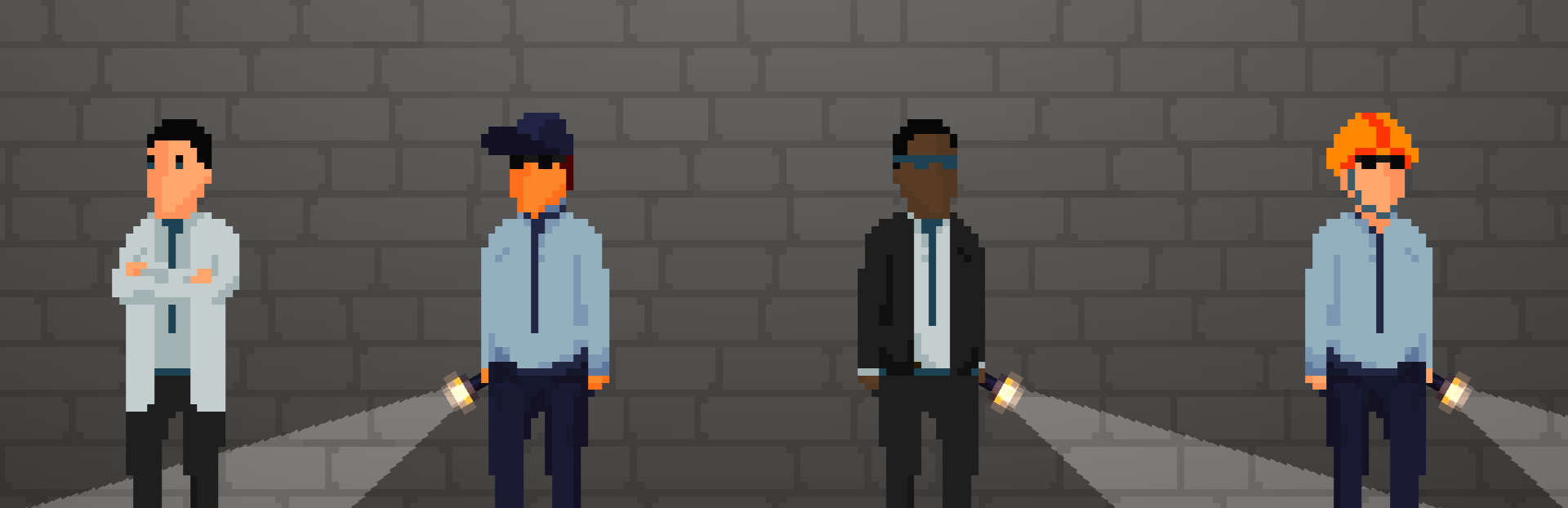
The Four Enemy Types (so far)
Standard Guards
These are the baseline patrol enemies.
They patrol routes or hold positions.
They carry flashlights, so light and shadow matter.
They react to distractions and investigate points of interest.
If they spot you with line of sight, they will chase you.
They’re designed to be consistent and learnable. If you understand how to manipulate a standard guard, you understand the foundation of the game.
Helmet Guards
Helmet guards exist to shut down a very common tactic: throwing items directly at enemies.
They behave like standard guards in patrol and detection.
Thrown objects won’t stun them because of the helmet.
Items bounce off, so you lose that instant “free opening.”
This pushes you toward indirect play: lure them away, throw past them, or use distractions that move them instead of disabling them.
Trained Guards
These guards are dangerous up close.
They behave like standard guards in patrol and detection.
You cannot choke them from behind.
They’re meant to break the habit of solving every problem with a silent takedown. If you want to get past a trained guard, you need timing, positioning, and tools rather than close-range grabs.
Scientists / Civilians
These aren’t fighters.
They don’t behave like normal guards.
If they see you, they panic.
Instead of chasing, they try to trigger an alarm.
They create a different kind of urgency. With guards, you can sometimes recover by breaking line of sight. With civilians, the danger is how fast they can escalate the situation for everyone else.
How to Read Them Quickly
The intention is that you can identify the threat instantly and adjust your plan:
Standard guard = baseline rules: patrol, flashlight, distractions, chase on sight.
Helmet = don’t waste throws on their head.
Trained = don’t rely on choking from behind.
Scientist/civilian = sighting becomes an alarm risk.
Player Strategy Examples
Here are some intended use cases:
Standard guard: create a gap in a patrol cycle and slip through.
Helmet guard: lure them away from a doorway instead of trying to stun them.
Trained guard: treat them like a moving camera and route around them rather than going for a choke.
Scientist/civilian: prioritize line-of-sight control and cut off their path to an alarm.
Source
Changelog.gg summarizes and formats this update. How we read updates.