
HomeGamesUpdatesPricingMethodology
Steam News9 November 20241y ago

Update 1.0.7.4 - UK 1945 Overhaul

Welcome to the grand finale of the British army in Europe during World War 2! Britain is bruised and bloody, but it stands on the precipice of victory none the less.

In this update1

Full notes

Full Combined Arms Operations Series update

Read the full published notes in a cleaner layout. The original post stays linked below.

What changed

0 fixes5 additions4 changes1 removal
  • Gameplay
  • Security
changedBritain 1945 enjoys high-highs and low-lows. British armoured forces are drowning in spare equipment, and the proliferation of 17pdr sabot ammunition presents a potent hazard to any opposing armour. Likewise, the ponderous Churchill VII and its flamethrowing Crocodile twin presents a terrifying foe to enemy infantry. Heavy artillery has also finally returned to the forefront of British planning, though it falls far short of its American or Soviet colleagues in sheer concentration of fire. The problems facing Britain in 1945 primarily fall on the shoulders of the infantry. Years of attrition have practically ground some prestigious units out of existence (the 1st and 50th Infantry Divisions), vastly diminished the veterancy of others (51st and 78th), and forced substantial ToE adjustments to most infantry units. Across the British army experienced units are being dissolved, artillerists are handing in their cannons for rifles, and the distinction between 1st and 2nd line personnel wanes. British infantry are now both chronically under-armed and they have lost their veterancy edge. Consequently, Britain 1945 is a substantially more capable offensive OB than past years, but the robust defensive capabilities of the British army have eroded substantially.
removedUK 1945:Removed 1st Infantry Division, as it was moved to lower establishment and transferred to security duties in Palestine, due to attrition in Italy.
addedUK 1945:Added the 2nd New Zealand Division in its February, 1945 table of organization. The division is substantially understrength when separated from its armoured brigade. The Recon, MG, and motor infantry battalions have been consolidated into a new Infantry brigade. The anti-aircraft regiment disband, and the anti-tank batteries roughly halved in size.
changedUK 1945:Reorganized 3rd, 15th (Scottish), 43rd (Wessex), and 53rd (Welsh) Divisions’ infantry battalions into reduced strength 3-company organizations featuring fewer total squads, but more MGs per squad.
addedUK 1945:Reorganized 4th Infantry Division into its January 1945, Greece OB. Changes include: Reduced strength 3-company infantry battalions. Infantry anti-tank companies converted into infantry squads. MG battalion absorbed into infantry battalions. 2 Field Regiments + 1 AT battery converted into a new Motorized Infantry Brigade.
changedUK 1945:Reorganized 46th Infantry Division into its Winter 1944/1945 Greece OB. Infantry battalions use the reduced strength 3 infantry company organization. Infantry anti-tank companies converted into infantry squads. One anti-tank battery dissolved.

Combined Arms Operations Series changes

changedBritain 1945 enjoys high-highs and low-lows. British armoured forces are drowning in spare equipment, and the proliferation of 17pdr sabot ammunition presents a potent hazard to any opposing armour. Likewise, the ponderous Churchill VII and its flamethrowing Crocodile twin presents a terrifying foe to enemy infantry. Heavy artillery has also finally returned to the forefront of British planning, though it falls far short of its American or Soviet colleagues in sheer concentration of fire. The problems facing Britain in 1945 primarily fall on the shoulders of the infantry. Years of attrition have practically ground some prestigious units out of existence (the 1st and 50th Infantry Divisions), vastly diminished the veterancy of others (51st and 78th), and forced substantial ToE adjustments to most infantry units. Across the British army experienced units are being dissolved, artillerists are handing in their cannons for rifles, and the distinction between 1st and 2nd line personnel wanes. British infantry are now both chronically under-armed and they have lost their veterancy edge. Consequently, Britain 1945 is a substantially more capable offensive OB than past years, but the robust defensive capabilities of the British army have eroded substantially.
removedRemoved 1st Infantry Division, as it was moved to lower establishment and transferred to security duties in Palestine, due to attrition in Italy.
addedAdded the 2nd New Zealand Division in its February, 1945 table of organization. The division is substantially understrength when separated from its armoured brigade. The Recon, MG, and motor infantry battalions have been consolidated into a new Infantry brigade. The anti-aircraft regiment disband, and the anti-tank batteries roughly halved in size.
changedReorganized 3rd, 15th (Scottish), 43rd (Wessex), and 53rd (Welsh) Divisions’ infantry battalions into reduced strength 3-company organizations featuring fewer total squads, but more MGs per squad.
addedReorganized 4th Infantry Division into its January 1945, Greece OB. Changes include: Reduced strength 3-company infantry battalions. Infantry anti-tank companies converted into infantry squads. MG battalion absorbed into infantry battalions. 2 Field Regiments + 1 AT battery converted into a new Motorized Infantry Brigade.

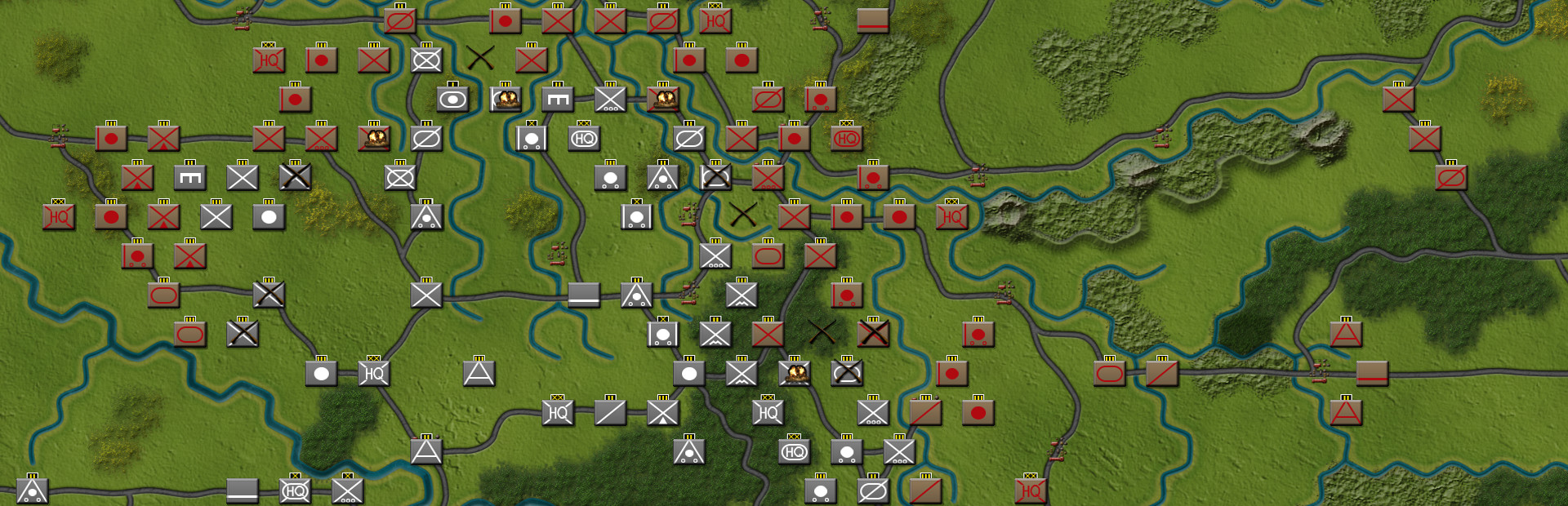
Welcome to the grand finale of the British army in Europe during World War 2! Britain is bruised and bloody, but it stands on the precipice of victory none the less. Standardization has become a myth, and adaptation is the watch word of the day. British organizations now vary wildly from under-gunned and under-strength infantry to the finest armoured divisions the Western Allies field during World War 2. The final six-months of the war in Europe witness great adaptation in British tactics and organization in response to the unsustainable attrition of 1944. Now, we bring these unique organizations to life in CAOS!

Britain 1945 enjoys high-highs and low-lows. British armoured forces are drowning in spare equipment, and the proliferation of 17pdr sabot ammunition presents a potent hazard to any opposing armour. Likewise, the ponderous Churchill VII and its flamethrowing Crocodile twin presents a terrifying foe to enemy infantry. Heavy artillery has also finally returned to the forefront of British planning, though it falls far short of its American or Soviet colleagues in sheer concentration of fire. The problems facing Britain in 1945 primarily fall on the shoulders of the infantry. Years of attrition have practically ground some prestigious units out of existence (the 1st and 50th Infantry Divisions), vastly diminished the veterancy of others (51st and 78th), and forced substantial ToE adjustments to most infantry units. Across the British army experienced units are being dissolved, artillerists are handing in their cannons for rifles, and the distinction between 1st and 2nd line personnel wanes. British infantry are now both chronically under-armed and they have lost their veterancy edge. Consequently, Britain 1945 is a substantially more capable offensive OB than past years, but the robust defensive capabilities of the British army have eroded substantially.

UK 1945:

Infantry:

  • Removed 1st Infantry Division, as it was moved to lower establishment and transferred to security duties in Palestine, due to attrition in Italy.

  • Added the 2nd New Zealand Division in its February, 1945 table of organization. The division is substantially understrength when separated from its armoured brigade. The Recon, MG, and motor infantry battalions have been consolidated into a new Infantry brigade. The anti-aircraft regiment disband, and the anti-tank batteries roughly halved in size.

  • Reorganized 3rd, 15th (Scottish), 43rd (Wessex), and 53rd (Welsh) Divisions’ infantry battalions into reduced strength 3-company organizations featuring fewer total squads, but more MGs per squad.

  • Reorganized 4th Infantry Division into its January 1945, Greece OB. Changes includeReduced strength 3-company infantry battalions. Infantry anti-tank companies converted into infantry squads. MG battalion absorbed into infantry battalions. 2 Field Regiments + 1 AT battery converted into a new Motorized Infantry Brigade.
  • Reorganized 5th Infantry Division into a full-strength Mediterranean Theater infantry division.

  • Reorganized 46th Infantry Division into its Winter 1944/1945 Greece OB. Infantry battalions use the reduced strength 3 infantry company organization. Infantry anti-tank companies converted into infantry squads. One anti-tank battery dissolved.

  • Added 49th (West Riding) Division in its hybrid SMG/assault organization, in use since August 1944.

  • Reorganized 51st (Highland) Division into its Winter 1944/1945 OB. Carrier companies in infantry battalions dissolved. Additional LMGs dispersed to rifle squads where available, and scout/sniper platoons added.

  • Reorganized 78th Infantry Division into its Winter 1944/1945, Po River Valley OB. The division boasts substantially more 4.2” mortars than ToEs suggest and relatively full-strength infantry battalions. One battery of the 64th Anti-Tank regiment has been dissolved.

  • Added the 43rd Independent Gurkha Brigade (motorized).

  • Reduced training of 115th, 305th, and 307th Infantry Brigades to recruit. These brigades were either emergency conversions of Royal Artillery units, or

Source

Steam News / 9 November 2024

Open original post

Changelog.gg summarizes and formats this update. How we read updates.