
Full notes
Full The Dream Machine: Chapter 1 & 2 update
Read the full published notes in a cleaner layout. The original post stays linked below.
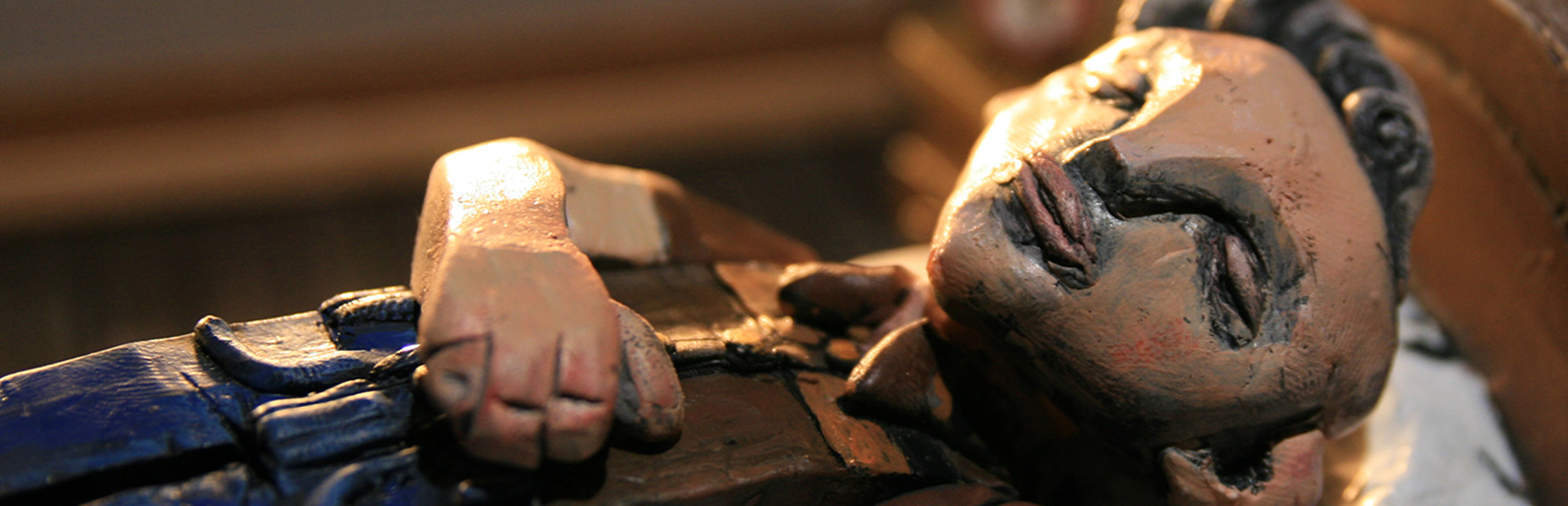
We did this neat interview with WIRED a while back, but they only had the editorial space to publish a fraction of it. So we thought it might be a good idea to use this space to publish it in its entirety. Because it's a pretty good interview, all things considered. It would be a shame to waste all these delicious answers. We hope you like it and we hope you have a great weekend! On that order. Cheers, - a
What is the most difficult thing about the "hand-made" process you chose for The Dream Machine? And why is it still worth it?
Anders
I haven’t actually built anything in the game, so my perspective is probably different from Erik’s. For me, the hardest part is the amount of planning that goes into making these chapters. Building things by hand is obviously a very linear medium. You have to plan things out ahead. If you change your mind halfway through, you can’t just revert to an older copy of the file. Major changes often means starting over from scratch. So you have to break down the individual scenes and have clear ideas at the start of the process. What type of environments do we need? What moods should they evoke? What are the puzzles? What part of the story will be told? Why items should populate them?
Erik
The handmade process in itself is not the biggest hurdle. Working for many years, keeping focus and energy up is more of an issue. Motivation. Creating something as big and crazy as The Dream Machine has really been worth it, for me at least. It’s the first time I have pushed my limits, really exploring to see what’s on the other side. You’ll never learn anything good if you don't take any risks.
Anders
I second that. It has been totally worth it. It’s been the most difficult thing I’ve ever attempted so far. But also the most rewarding. We’ve poured so much time and effort and love into this thing – it truly is an insane effort. I’m confident that will shine through to the player in the end.
Can you describe what happens when the very tactile materials – clay and cardboard – hit the digital realm? In other words: How do these two worlds enhance each other?
Erik
Good question.
Anders
A digital pipeline lets you lock down your assets later on. It’s easier to backtrack and make adjustments late in the process. If you do everything by hand, and then discover you’ve made a mistake, you might be forced to start over entirely. Or at least make creative use of what you’ve got. Surprisingly enough, we found it was often better to change the design to fit the build, rather than rebuilding to fit the design. It was a way for us to allow some whimsy into the design process. If you pre-plan everything down to the finest details, it will eventually feel like you’re just mindlessly executing on someone else's ideas. So we tried to stay open to accidental design opportunities whenever we could. Quite often Erik would build things that looked far more interesting than my crude sketches called for. And as a player, if something looks interesting, I get disappointed if it doesn’t have some significance attached to it. So I found myself going back, tweaking some objects interactions as I went along. Sometimes just a little. Sometimes a lot. I have to say, some
Source
Changelog.gg summarizes and formats this update. How we read updates.