
HomeGamesUpdatesPricingMethodology
Steam News28 May 20251y ago

🛠 SPINE Development Blog: Spinemations

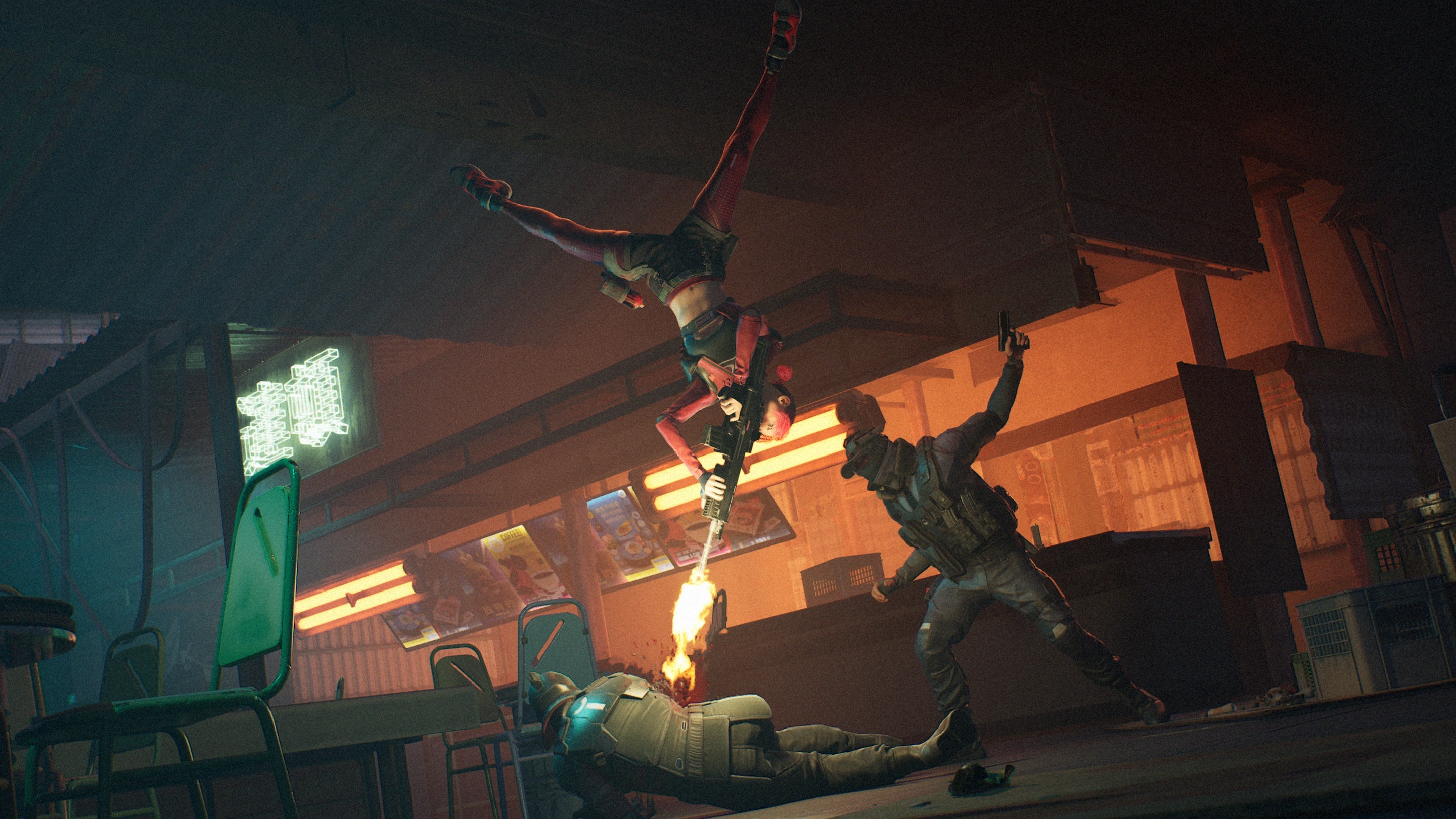
Hello, Tensor Citizens. You’ve probably seen our latest trailer — and yes, SPINE’s gameplay looks sharper than ever. That’s thanks to how far we’ve pushed our Freeflow Combat system and polished our animations.

In this update6

Full notes

Full SPINE - This is Gun Fu update

Read the full published notes in a cleaner layout. The original post stays linked below.

What changed

0 fixes2 additions7 changes0 removals
  • Gameplay
  • Performance
  • UI and audio
  • Store
changedHello, Tensor Citizens.You’ve probably seen our latest trailer — and yes, SPINE’s gameplay looks sharper than ever. That’s thanks to how far we’ve pushed our Freeflow Combat system and polished our animations. In this devblog, we sat down with our Head of Animation, Evgeniy Khapugin , to crack open the animation vault. From real stunt choreography to our in-house Cascadeur toolkit, here’s how we bring SPINE’s Gun Fu combat to life.
changedMotion Capture Meets Gun FuWe shoot mocap at over 120 FPS to catch every small detail, like a recoil twitch or a shift in balance mid-strike. The data stays mostly true to what’s captured, but we tweak the timing, impact, and arcs to hit just right in gameplay.
changedFreeflow Combat in ActionSPINE’s Freeflow Combat System means every move — from melee to dodging to firing — has to transition smoothly. Animators blend the raw mocap data into responsive, gameplay-ready animations. It’s not just about cool-looking moves; it’s about keeping you in control without breaking the flow. Boss fights especially push the system. We animate entire attack patterns, use visual telegraphs for timing, and fine-tune everything so combat feels fair but still intense.
addedCascadeur & Custom ToolsA key part of our workflow is Cascadeur — a physics-based animation tool Nekki has been building internally for over 15 years. It lets us polish mocap data precisely and add motion exaggeration without losing realism. Evgeniy:
addedCascadeur & Custom ToolsSo our animation team uses Cascadeur extensively, but not strictly tied to it. Sometimes, there is a need for some flexibility, and we freely move animations between Cascadeur and Maya . For example, Evgeniy has built scripts based on Richard Lico’s Space Switching animation principles. Whether cleaning up a weapon swing, adding impact shake to a hit, or adjusting an arm arc, he has a tool for it. We also use the Animbot plugin for Maya and MotionBuilder when needed — our pipeline is flexible by design.
changedUE5 and Smart RigsSPINE runs on Unreal Engine 5 , which gives us the graphical muscle and animation systems needed for cinematic gameplay. However, when it comes to animation, we work outside UE5 first. Our character rigs are inspired by MetaHuman — we’ve streamlined them, cutting out unnecessary joints and constraints to allow for more customization. We also use a unified skeleton rig across characters, which makes retargeting and prototyping fast and efficient.

SPINE - This is Gun Fu changes

changedYou’ve probably seen our latest trailer — and yes, SPINE’s gameplay looks sharper than ever. That’s thanks to how far we’ve pushed our Freeflow Combat system and polished our animations. In this devblog, we sat down with our Head of Animation, Evgeniy Khapugin , to crack open the animation vault. From real stunt choreography to our in-house Cascadeur toolkit, here’s how we bring SPINE’s Gun Fu combat to life.
changedWe shoot mocap at over 120 FPS to catch every small detail, like a recoil twitch or a shift in balance mid-strike. The data stays mostly true to what’s captured, but we tweak the timing, impact, and arcs to hit just right in gameplay.
changedSPINE’s Freeflow Combat System means every move — from melee to dodging to firing — has to transition smoothly. Animators blend the raw mocap data into responsive, gameplay-ready animations. It’s not just about cool-looking moves; it’s about keeping you in control without breaking the flow. Boss fights especially push the system. We animate entire attack patterns, use visual telegraphs for timing, and fine-tune everything so combat feels fair but still intense.
addedA key part of our workflow is Cascadeur — a physics-based animation tool Nekki has been building internally for over 15 years. It lets us polish mocap data precisely and add motion exaggeration without losing realism. Evgeniy:
addedSo our animation team uses Cascadeur extensively, but not strictly tied to it. Sometimes, there is a need for some flexibility, and we freely move animations between Cascadeur and Maya . For example, Evgeniy has built scripts based on Richard Lico’s Space Switching animation principles. Whether cleaning up a weapon swing, adding impact shake to a hit, or adjusting an arm arc, he has a tool for it. We also use the Animbot plugin for Maya and MotionBuilder when needed — our pipeline is flexible by design.

Hello, Tensor Citizens.

You’ve probably seen our latest trailer — and yes, SPINE’s gameplay looks sharper than ever. That’s thanks to how far we’ve pushed our Freeflow Combat system and polished our animations. In this devblog, we sat down with our Head of Animation, Evgeniy Khapugin, to crack open the animation vault. From real stunt choreography to our in-house Cascadeur toolkit, here’s how we bring SPINE’s Gun Fu combat to life.

Motion Capture Meets Gun Fu

SPINE is built to feel like a blockbuster action movie — fluid, fast, and grounded. To get there, we heavily rely on full-body mocap recorded with Xsens suits. For regular in-game actions, we often step into the suits ourselves. But for complex fights and stunts, we bring in professional stunt performers and martial artists who choreograph entire sequences combining martial arts and gunplay. Evgeniy:

“We don’t capture moves in isolation. We record full fight scenes to preserve the momentum between strikes, dodges, and gunshots. That’s what gives SPINE its cinematic rhythm.”

We shoot mocap at over 120 FPS to catch every small detail, like a recoil twitch or a shift in balance mid-strike. The data stays mostly true to what’s captured, but we tweak the timing, impact, and arcs to hit just right in gameplay.

Freeflow Combat in Action

SPINE’s Freeflow Combat System means every move — from melee to dodging to firing — has to transition smoothly. Animators blend the raw mocap data into responsive, gameplay-ready animations. It’s not just about cool-looking moves; it’s about keeping you in control without breaking the flow. Boss fights especially push the system. We animate entire attack patterns, use visual telegraphs for timing, and fine-tune everything so combat feels fair but still intense.

Cascadeur & Custom Tools

A key part of our workflow is Cascadeur — a physics-based animation tool Nekki has been building internally for over 15 years. It lets us polish mocap data precisely and add motion exaggeration without losing realism. Evgeniy:

“One of the most useful tools in Cascadeur is animation unbaking — it simplifies mocap curves like Maya’s ‘Simplify Curve,’ but does it smarter. I also switch between Cascadeur and Maya depending on what I need.”

So our animation team uses Cascadeur extensively, but not strictly tied to it. Sometimes, there is a need for some flexibility, and we freely move animations between Cascadeur and Maya. For example, Evgeniy has built scripts based on Richard Lico’s Space Switching animation principles. Whether cleaning up a weapon swing, adding impact shake to a hit, or adjusting an arm arc, he has a tool for it. We also use the Animbot plugin for Maya and MotionBuilder when needed — our pipeline is flexible by design.

UE5 and Smart Rigs

SPINE runs on Unreal Engine 5, which gives us the graphical muscle and animation systems needed for cinematic gameplay. However, when it comes to animation, we work outside UE5 first. Our character rigs are inspired by MetaHuman — we’ve streamlined them, cutting out unnecessary joints and constraints to allow for more customization. We also use a unified skeleton rig across characters, which makes retargeting and prototyping fast and efficient.

Why It Matters

Every animation in SPINE, from a kick to a reload, is crafted with purpose. There are no floaty hits or canned reactions. It’s all about tight, cinematic combat that feels as good as it looks. SPINE is deep in development, and animation is one of the most significant pieces of the puzzle. We’re constantly recording, refining, and testing to ensure that every moment hits just right.

Thanks for sticking with us — and keep that wishlist counter climbing. Want more behind-the-scenes? Check out our previous dev blogs:

Don’t want to miss the next part of the blog? Hit that follow button on our Steam page.

https://store.steampowered.com/app/1731290/SPINE__This_is_Gun_Fu/

Source

Steam News / 28 May 2025

Open original post

Changelog.gg summarizes and formats this update. How we read updates.