
In this update6
Full notes
Full Riot Control Simulator update
Read the full published notes in a cleaner layout. The original post stays linked below.
What changed
- Gameplay
- Store
Riot Control Simulator changes
Riot Control Simulator keeps growing, and we appreciate how much your support has helped the project develop. During the prologue of Riot Control Simulator: Rookie Day, we received a lot of helpful feedback. We’re working hard to make the full game even better.
For those who are curious, the game is almost done. We still have a few things left to do, testing, translations, and I hope you will see the game being released in the first half of the year!
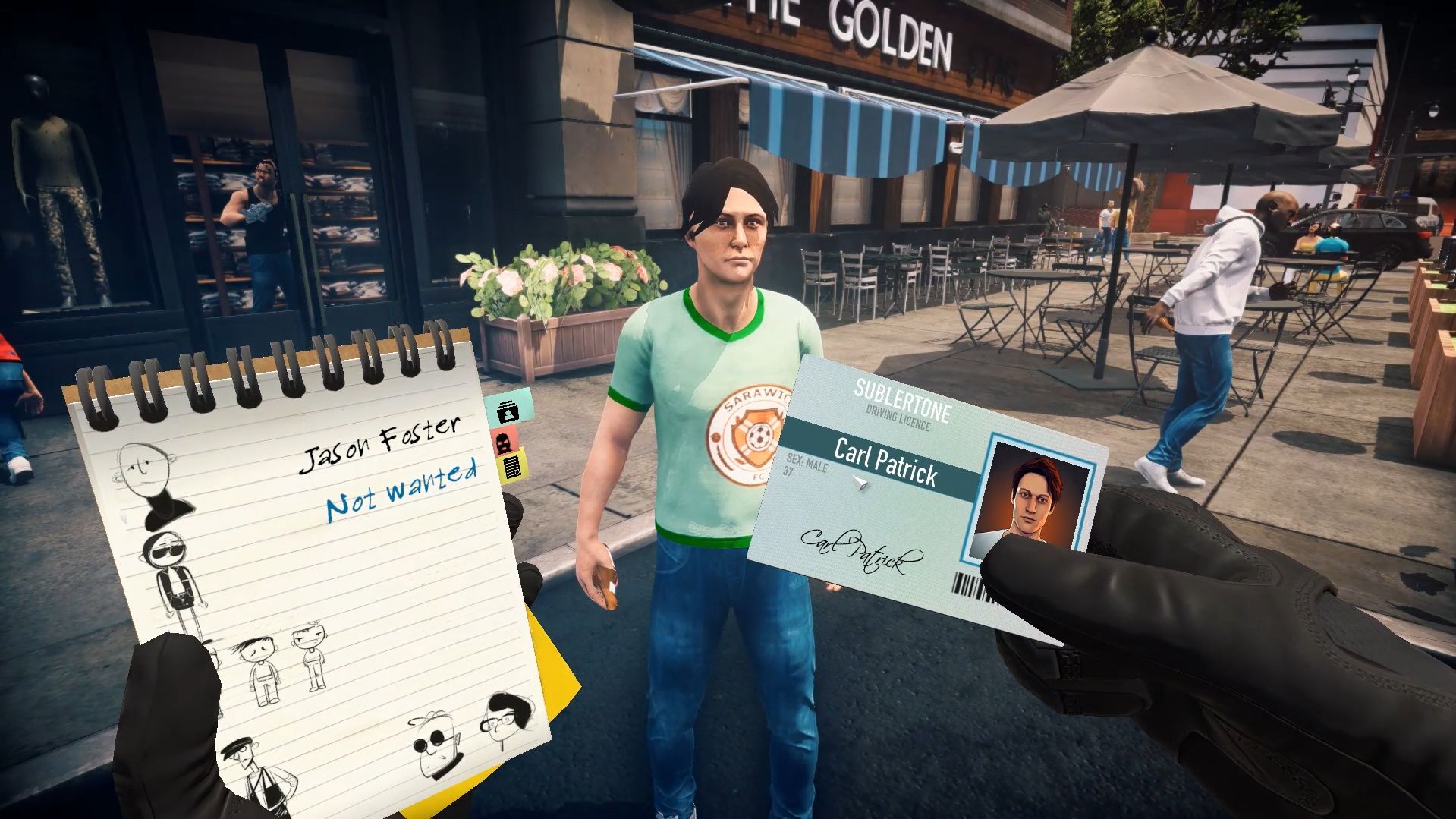
ID Checks – establishing control early
Managing unrest isn’t just about using force. It also means staying aware, communicating, preventing problems, and handling risky situations before they get worse. That’s why we’re focusing on features like ID checks, negotiations, searches, and securing vandalized areas.
The player can approach any individual and request an ID. This system allows you to:
verify identity and detect individuals linked to aggressive groups,
observe behavioral cues such as stress or agitation,
uncover suspicious intentions or potential threats,
learn whether someone plans to provoke conflict or simply attend peacefully.
ID checks work as an early warning system, helping prevent incidents before they happen.
Negotiations - not every situation requires force
Often, a calm and professional conversation works better than using force. With the negotiation system, you can:
de-escalate heated interactions,
convince individuals or groups to leave sensitive areas,
encourage people to end unlawful gatherings,
calm down aggressive NPCs through dialogue.
Negotiations are closely linked to the reputation system.
A respected officer is much more likely to convince people to cooperate. It’s also important to understand what NPCs want. Some want to cause trouble, while others are willing to listen.
This system shows that real-world riot control often begins with communication rather than force.Steam post image
Searches - identifying hidden danger
When a person behaves suspiciously or has committed an offense, the player can conduct a legal search. During this process, you may uncover:
dangerous tools (knives, metal rods, improvised weapons),
objects used for vandalism (spray cans, bricks, bottles),
stolen goods,
items that pose a threat to public safety.
Finding these items early helps you prevent problems from getting worse and keeps both civilians and officers safe.Steam post image
Securing Vandalized Areas
Riots often cause vandalism, like broken windows, damaged storefronts, and looting attempts. As the player, you are responsible for:
securing and isolating the area,
placing barriers and police tape,
redirecting or dispersing surrounding crowds,
checking for individuals hiding nearby with harmful intent,
inspecting the area for stolen property or dangerous tools.
Why these mechanics matter
These systems emphasize that riot control is not just about physical response. It’s about:
preventing escalation,
identifying risks early,
acting proportionally and professionally,
balancing authority with communication,
maintaining order through awareness, not just force.
As Riot Control Simulator grows, these mechanics are key to making the game more realistic and engaging.
Remember to add Riot Control Simulator to your Wishlist!
[dynamiclink href="https://store.steampowered.com/app/1579210/"] More updates are coming soon!
Source
Changelog.gg summarizes and formats this update. How we read updates.