
In this update8
Full notes
Full Revenge of the Firstborn update
Read the full published notes in a cleaner layout. The original post stays linked below.
Repeated intro
Greetings everyone!
What changed
- Gameplay
- Balance
Revenge of the Firstborn changes
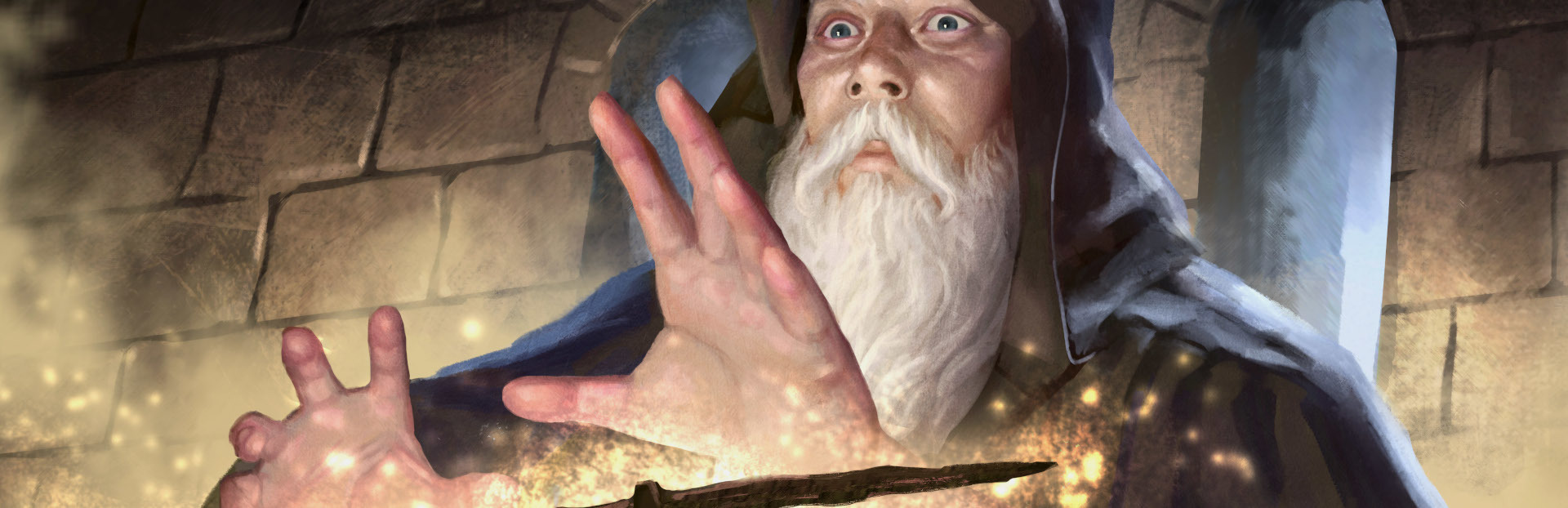
This month’s feature spotlight is the game’s crafting system. Revenge of the Firstborn features a complete implementation of virtually every part of the 3.5 SRD rules for crafting, from scribing scrolls to enchanting weapons and forging rings. Read on to learn about each of these features!
Have a Drink on Me
The first item creation feat is the Brew Potion feat. As the name implies, this feat allows a spellcaster to create a potion with any spell of third level or lower that he is able to cast normally. The only caveat is that the spell has to be one that targets one or more creatures. So, you can create potions of Haste or Blur, but not potions of fireball or Scorching Ray.
When creating a potion, you decide what level the spell should be cast at when the potion is consumed. This affects how long the resulting spell lasts and a few of the numeric portions as well. So, choosing to brew a potion of Haste with a caster level of 5 will result in the person drinking it being hasted for 5 rounds and brewing it at caster level 10 will result in double the duration when the potion is consumed.
The Pen is Mighty Indeed
The next item creation feat we’ll discuss is the Scribe Scroll feat. All wizards get this feat for free at level 1, any other class can take it as long as it has the ability to cast spells.
The Scribe Scroll feat lets a spellcaster create a scroll that contains a single cast of any spell the spellcaster can currently cast. When the scroll is scribed, its creator decides what level the spell should be cast at. Creating scrolls has a small gold and XP cost. Similarly to potions, you need to decide what caster level the spell will be cast at when the scroll is read.
A scroll or two can mean the difference between a party wipe and making it back to the surface with no losses when your party’s wizard has used up all of his memorized spells.
Like potions, all scrolls are single use and cost a small amount of gold and XP to create.
Casting (the Same Spell) All day
Next up is the Craft Wand feat. This allows you to create a wand with 50 stored charges of any spell of fourth level or lower that your character knows. Since wands are not single use like a scroll, but contains 50 charges, crafting a wand is more expensive than scribing a scroll or brewing a potion.
A wand can be a great resource in a dungeon when you need to repeatedly cast a spell, for instance, a cure light wounds wand is handy when your high hit point, low brains barbarian takes a fireball to the face.
Have You Seen My Hot Rod?
Next, we have the Craft Rod feat. There’s a great variety of rods that do anything from allowing a spellcaster to use metamagic feats they don’t possess to transforming the type of damage the rod does when wielded like a weapon to casting a variety of stored spells.
In order to craft a rod, a character must have 9 levels in a spellcasting class. Each type of rod requires the character to know a particular spell or possess a certain feat. For instance, crafting a rod of Metamagic, Empower, requires having the Empower Spell feat and creating a Rod of Thunder and Lightning requires knowing the Lightning Bolt and Shout spells.
Like all crafting disciplines, crafting a rod costs the creator both XP and gold.
We Are Well-Staffed
The Craft Staff feat allows a character with at least 12 levels in a spellcasting class to create a wide array of staves, each of which holds a collection of a few different spells. Unlike wands and scrolls, which require you to set the caster level for the spell when you create them, any staves that you create use your current caster statistics for the spell. So, as you become more powerful, the staff becomes more potent as well.
In order to craft a staff, you must know each of the spells that the staff will be able to cast and must spend some XP and gold.
Isn’t it Just Wonderful?
The next feat to discuss is the Craft Wondrous Item feat. Along with teaching me that the word “wondrous” doesn’t have an “e” in it, the Craft Wondrous Item feat allows for the creation of a wide variety of items, from enchanted boots and belts to helmets and interesting oddities such as Ioun Stones.
Each of these items has a requirement for the caster to know certain spells, such as a Belt of Constitution requiring the crafter to know the spell Bear’s Endurance. Each item also has a required caster level to create, so a lower-level character can craft Gauntlets of Strength +2, but must be much higher level to craft Gauntlets of Strength +6.
Like all of the crafting skills we’ve discussed, creating a wondrous item costs the crafter both XP and gold.
That One Ring
Partly because of The Lord of the Rings, and partly to prevent Craft Wondrous Item from being able to fully kit out a character, rings are separated out into their own crafting feat. The Forge Ring feat is pretty self-explanatory; you can craft a large variety of rings, from rings that grant a bonus to a character attribute, to rings that grant invisibility (without the malice and will to dominate all life that comes with some invisibility rings) to rings that grant bonuses to skills such as climbing.
Like the items created using the Craft Wondrous Item feat, each ring has a required known spell and a minimum level. Some also require a certain number of ranks in a skill, for instance to craft a Ring of Climbing, the creator must himself possess 10 ranks in the Climb skill.
For Those Times When You Can’t Pull the Sword from the Stone
Last, but not least, is the item creation feat most people think of when they think of crafting, the Craft Magic Arms and Armor feat. This feat is a little different from the other item creation feats in that it requires the crafter to have an item on hand before the crafting begins. This item must be a masterwork item, which can be found in various shops in the world and in chests and enemies you may come across.
To craft a weapon, suit of armor, or shield, most effects have some prerequisite spell the crafter must know, similar to rods or staves. However, while rods and staves have predefined properties, crafting arms and armor give you free choice for what effects to add to a given weapon, armor or shield.
The process for creating a magic weapon is as follows:
Select the masterwork item to be enchanted.
Decide what Enhancement bonus (1-5) the item will have. If the item is already enchanted, you can skip this step or choose to increase the Enhancement bonus.
Decide what effects, such as Flaming Burst, the item will have. All of these effects require the crafter to have a specific spell in their spellbooks.
Give the item a name.
Provided you have enough XP and gold, and are of high enough level for the cumulative effects you want to add, you can now complete your crafting.
Revenge of the Firstborn’s crafting system is very accurate to the tabletop rules and should provide a lot of fun options for filling out your party’s gear.
Source
Changelog.gg summarizes and formats this update. How we read updates.