To make the world of Railroad Scheduler more visually rich, we’re working on an optimized system for decorative object placement. 🌲 Dingbats & Biomes Decorative elements (“dingbats”) like trees, rocks, houses etc.
In this update2
Full notes
Full Railroad Scheduler update
Read the full published notes in a cleaner layout. The original post stays linked below.
What changed
0 fixes0 additions4 changes0 removals
Gameplay
Maps
changedTo make the world of Railroad Scheduler more visually rich, we’re working on an optimized system for decorative object placement.
changed🌲 Dingbats & BiomesDecorative elements (“dingbats”) like trees, rocks, houses etc. are placed around the rail tracks to enhance the visual atmosphere. Depending on the region, the game will feature different biomes , each with its own set of dingbats (e.g. urban vs. countryside).
changed🧠 Smarter Dingbat PlacementPreviously, we used rejection sampling to scatter dingbats around the rails. While this worked, it didn’t scale well — especially when placing lots of objects. To solve this, we’re moving toward importance sampling based on the distance to rail tracks. This means: Dingbats spawn where they should (at the desired distance to the tracks). We don’t have to discard as many placements, making the algorithm more efficient. The end result? A more diverse and natural-looking distribution of decoration with less computational waste.
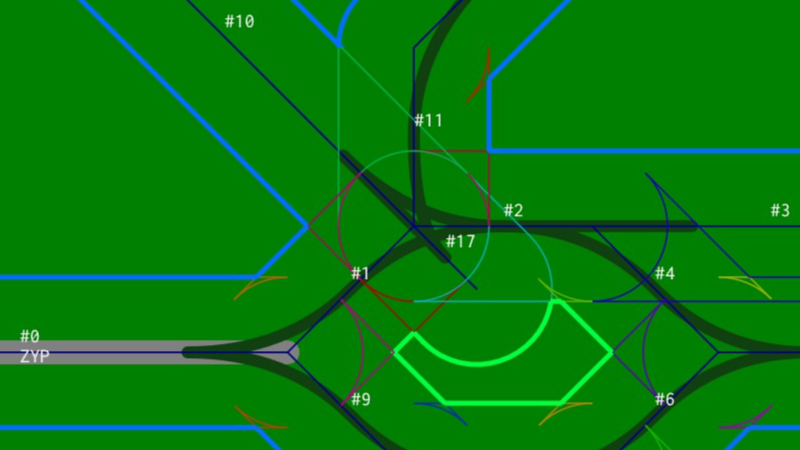
changed🧠 Smarter Dingbat PlacementHere you can see the outlines generated around the tracks, directly in the environment. These areas guide where dingbats can appear, helping us place decorations naturally and efficiently based on their proximity to the rails.
Railroad Scheduler changes
changedTo make the world of Railroad Scheduler more visually rich, we’re working on an optimized system for decorative object placement.
changedDecorative elements (“dingbats”) like trees, rocks, houses etc. are placed around the rail tracks to enhance the visual atmosphere. Depending on the region, the game will feature different biomes , each with its own set of dingbats (e.g. urban vs. countryside).
changedPreviously, we used rejection sampling to scatter dingbats around the rails. While this worked, it didn’t scale well — especially when placing lots of objects. To solve this, we’re moving toward importance sampling based on the distance to rail tracks. This means: Dingbats spawn where they should (at the desired distance to the tracks). We don’t have to discard as many placements, making the algorithm more efficient. The end result? A more diverse and natural-looking distribution of decoration with less computational waste.
changedHere you can see the outlines generated around the tracks, directly in the environment. These areas guide where dingbats can appear, helping us place decorations naturally and efficiently based on their proximity to the rails.
To make the world of Railroad Scheduler more visually rich, we’re working on an optimized system for decorative object placement.
🌲 Dingbats & Biomes
Decorative elements (“dingbats”) like trees, rocks, houses etc. are placed around the rail tracks to enhance the visual atmosphere. Depending on the region, the game will feature different biomes, each with its own set of dingbats (e.g. urban vs. countryside).
🧠 Smarter Dingbat Placement
Previously, we used rejection sampling to scatter dingbats around the rails. While this worked, it didn’t scale well — especially when placing lots of objects. To solve this, we’re moving toward importance sampling based on the distance to rail tracks. This means: Dingbats spawn where they should (at the desired distance to the tracks). We don’t have to discard as many placements, making the algorithm more efficient. The end result? A more diverse and natural-looking distribution of decoration with less computational waste.
Here you can see the outlines generated around the tracks, directly in the environment. These areas guide where dingbats can appear, helping us place decorations naturally and efficiently based on their proximity to the rails.