
Full notes
Full Order Automatica update
Read the full published notes in a cleaner layout. The original post stays linked below.
What changed
- UI and audio
- Store
- Gameplay
Order Automatica changes
When I first started working on Order Automatica, Canonical Rituals wasn’t meant to be the “main” mode.
It kind of became that by accident.
Originally, the plan was simpler - you and the enemy would follow the same rules. Same systems. Same drafting. Same preparation phase. A fair fight.
But while prototyping, I tried something different: what if the enemies didn’t play by your rules?
That’s when the mode started to click.
Letting the Enemy Cheat (On Purpose)
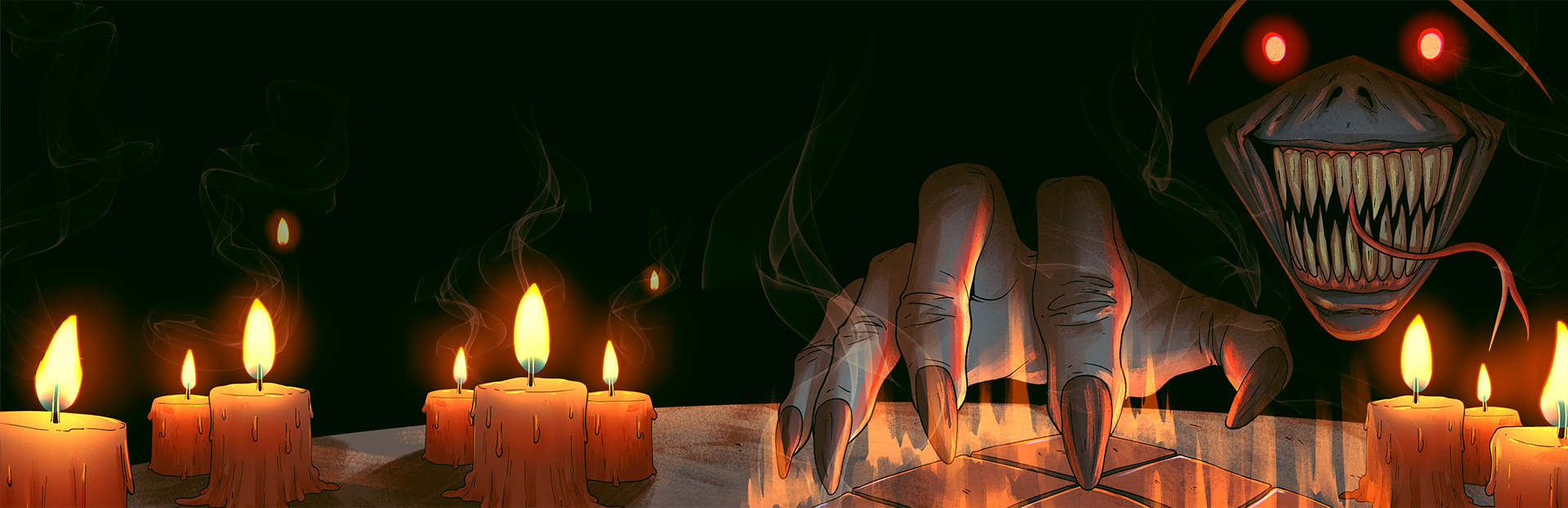
In Canonical Rituals, the enemy teams use units you can’t draft. They don’t go through a preparation phase. They don’t use indulgences, items, or cell effects.
They just show up fully formed.
At first, that sounds unfair. And honestly… it is.
But that unfairness is what makes the encounters interesting to design. I don’t have to worry about whether an enemy unit would be balanced if the player could draft it. I don’t have to make sure the AI “plays well” in a shop phase.
I can just design a problem.
Each Rank becomes less like a match and more like a puzzle. “Here’s a strange team. Figure it out.”
Candles and Collapse
The Candle system came from wanting tension without making runs too long.
Each Rank asks you to win a set number of battles. Each win extinguishes a Candle. Lose too many, and the ritual collapses - you start the Rank over.
Some Ranks are meant to be beaten quickly. Others are tuned to take a few tries. The goal isn’t to grind stats. It’s to understand what the enemy team is doing and adjust.
A lot of the learning in Order Automatica happens this way - through failure that feels informative instead of random.
Structured Progression
The Ranks are grouped into three sections:
Initiate’s Ranks - learning the core ideas
Penitent’s Ranks - limiting movement and forcing you to commit
Adept’s Ranks - actively disrupting your strategies
As the game goes on, it takes away flexibility and introduces enemies that mess with your expectations. I like that progression because it mirrors the theme of a ritual: you go from learning the rules to being tested by them.
Why This Mode Became the Core
Over time, I realized this asymmetrical structure just felt better.
It allowed encounters to be sharper. Stranger. More deliberate. It also fit the tone of the game - this doesn’t feel like a competitive duel. It feels like you’re engaging with something ancient and structured. Something designed long before you showed up.
Canonical Rituals became the core mode because it consistently created the most interesting design problems - both for the player and for me.
And at the end of the day, that’s what I’m chasing with Order Automatica:
Interesting problems inside a strange ritual.
Follow Mickey here:
🐍 https://bsky.app/profile/mickeysanchez.bsky.social
And don’t forget to follow better. publishing’s channels:
🔷 X: https://x.com/betterpubpro
🔷FB: https://www.facebook.com/betterpubpro
🔷 Discord: https://discord.gg/wPDpn7gDYe
Source
Changelog.gg summarizes and formats this update. How we read updates.