What changed
0 fixes0 additions3 changes0 removals
changedPremise:The Chernobyl Disaster is one the subjects that I’m most fascinated with. I still remember as a kid about how my father, an environmental engineer, talk about how enormous of a disaster it was and how the radioactive clouds even reached Tehran, which is where we lived. He also talked about the heroism of the workers, or Liquidators, and how they should be more recognized, because they prevented a global chaos that would’ve been irreversible. One of my first media exposures of the disaster was S.T.A.L.K.E.R. Shadow of Chernobyl, which is one of my favorite games of all time, but it was a hybrid fantasy setting with Sci-Fi elements, nothing about the actual event. Some time ago, curiosity pushed me to search for media in regards to the disaster and I was shocked not to find any movies or video games that were based on actual historical events (this is before the excellent tv show of Chernobyl was even announced). Having read the amazing stories of the Liquidators, and how they were not recognized properly by the general public, I became determined to create an interactive journey where you would be put in their shoes and experience what they went through. There were many incredibly dangerous but crucial missions, all of which were equally as important. As of now, Liquidators is the only released Chernobyl disaster related game that is based on actual events
changedGame Design:To completely portray the intensity and crucial nature of the mission, we had to create a system that reinforced those feelings. One of the experiences that I’ve had with traditional game saves and checkpoints is that is takes away the tension and immersion but having no actual consequences or punishments. In contrast, games with permanent elements, such as Demon’s Souls and X-COM, created some of the most memorable and tense moments for me. We believe that the only way to do the premise justice is to have a permanent and irreversible system that saves your actions every second, so all actions and decisions matter, just like the actual events. However, games should also be fair, and we have taken measures and created systems that allows you to save your fellow members that you’ve lost and learn from your mistakes. In order to create level progression, we have an interconnected level design, inspired by Demon’s Souls and Dark Souls, that allows you to open up shortcuts that will make traversal and progression much easier. All these systems work together to create an uninterrupted gameplay with maximum intensity and proper flow.
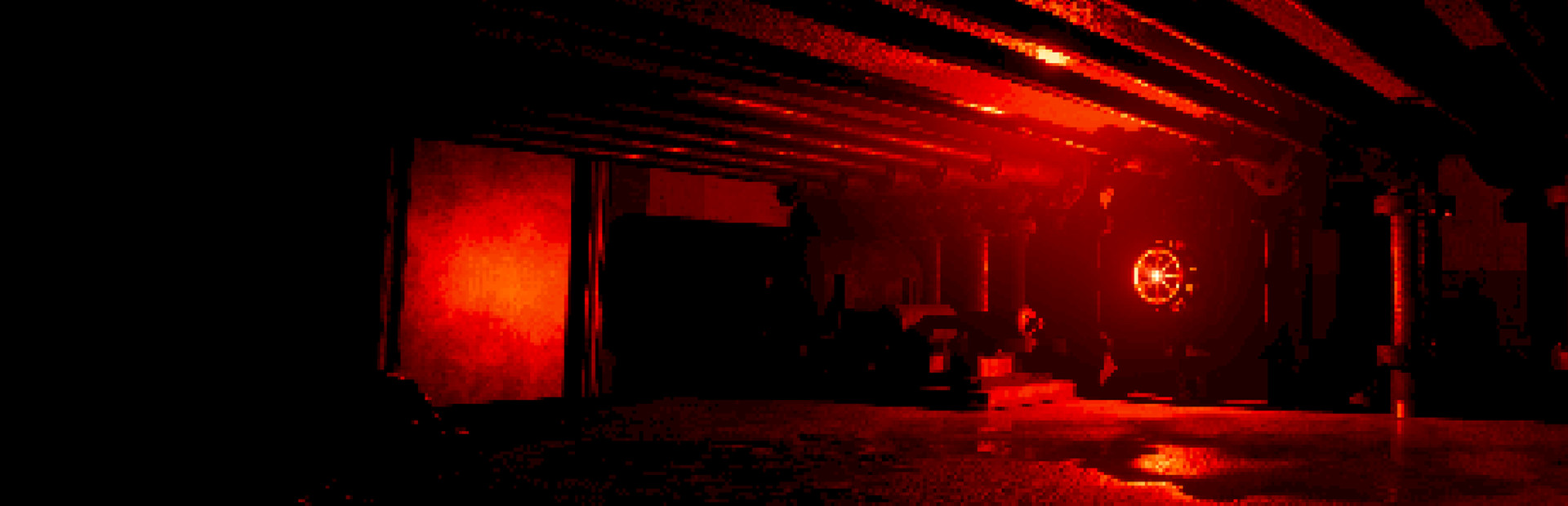
changedArt Style:Looking at the original pictures from within the destroyed reactor, we noticed unique aesthetics and effects that were caused as a combination of the 80s camera technology and radioactivity of the reactor, creating a morbid and horrifying look. The color compression, pixelization, and dithering increased the terrorizing nature of the radioactive hazards within the disaster. We really wanted to see that in 3D, to explore the environments through that lens. Such stylized art direction
Liquidators changes
changedThe Chernobyl Disaster is one the subjects that I’m most fascinated with. I still remember as a kid about how my father, an environmental engineer, talk about how enormous of a disaster it was and how the radioactive clouds even reached Tehran, which is where we lived. He also talked about the heroism of the workers, or Liquidators, and how they should be more recognized, because they prevented a global chaos that would’ve been irreversible. One of my first media exposures of the disaster was S.T.A.L.K.E.R. Shadow of Chernobyl, which is one of my favorite games of all time, but it was a hybrid fantasy setting with Sci-Fi elements, nothing about the actual event. Some time ago, curiosity pushed me to search for media in regards to the disaster and I was shocked not to find any movies or video games that were based on actual historical events (this is before the excellent tv show of Chernobyl was even announced). Having read the amazing stories of the Liquidators, and how they were not recognized properly by the general public, I became determined to create an interactive journey where you would be put in their shoes and experience what they went through. There were many incredibly dangerous but crucial missions, all of which were equally as important. As of now, Liquidators is the only released Chernobyl disaster related game that is based on actual events
changedTo completely portray the intensity and crucial nature of the mission, we had to create a system that reinforced those feelings. One of the experiences that I’ve had with traditional game saves and checkpoints is that is takes away the tension and immersion but having no actual consequences or punishments. In contrast, games with permanent elements, such as Demon’s Souls and X-COM, created some of the most memorable and tense moments for me. We believe that the only way to do the premise justice is to have a permanent and irreversible system that saves your actions every second, so all actions and decisions matter, just like the actual events. However, games should also be fair, and we have taken measures and created systems that allows you to save your fellow members that you’ve lost and learn from your mistakes. In order to create level progression, we have an interconnected level design, inspired by Demon’s Souls and Dark Souls, that allows you to open up shortcuts that will make traversal and progression much easier. All these systems work together to create an uninterrupted gameplay with maximum intensity and proper flow.
changedLooking at the original pictures from within the destroyed reactor, we noticed unique aesthetics and effects that were caused as a combination of the 80s camera technology and radioactivity of the reactor, creating a morbid and horrifying look. The color compression, pixelization, and dithering increased the terrorizing nature of the radioactive hazards within the disaster. We really wanted to see that in 3D, to explore the environments through that lens. Such stylized art direction
Foreword
Hello everyone! In all honesty I was not expecting us to get this far. We’ve been working on this project for about a year now and it has been a rough road. There were many moments that could've sealed our project from existing. Nevertheless, we didn’t give up, asked around, and gathered a very passionate group who wanted to see this project come to light. I couldn’t be more proud of what our team has been able to accomplish regardless of the circumstances. This is a miracle project that survived all odds.
Premise:
The Chernobyl Disaster is one the subjects that I’m most fascinated with. I still remember as a kid about how my father, an environmental engineer, talk about how enormous of a disaster it was and how the radioactive clouds even reached Tehran, which is where we lived. He also talked about the heroism of the workers, or Liquidators, and how they should be more recognized, because they prevented a global chaos that would’ve been irreversible. One of my first media exposures of the disaster was S.T.A.L.K.E.R. Shadow of Chernobyl, which is one of my favorite games of all time, but it was a hybrid fantasy setting with Sci-Fi elements, nothing about the actual event. Some time ago, curiosity pushed me to search for media in regards to the disaster and I was shocked not to find any movies or video games that were based on actual historical events (this is before the excellent tv show of Chernobyl was even announced). Having read the amazing stories of the Liquidators, and how they were not recognized properly by the general public, I became determined to create an interactive journey where you would be put in their shoes and experience what they went through. There were many incredibly dangerous but crucial missions, all of which were equally as important. As of now, Liquidators is the only released Chernobyl disaster related game that is based on actual events
Game Design:
To completely portray the intensity and crucial nature of the mission, we had to create a system that reinforced those feelings. One of the experiences that I’ve had with traditional game saves and checkpoints is that is takes away the tension and immersion but having no actual consequences or punishments. In contrast, games with permanent elements, such as Demon’s Souls and X-COM, created some of the most memorable and tense moments for me. We believe that the only way to do the premise justice is to have a permanent and irreversible system that saves your actions every second, so all actions and decisions matter, just like the actual events. However, games should also be fair, and we have taken measures and created systems that allows you to save your fellow members that you’ve lost and learn from your mistakes. In order to create level progression, we have an interconnected level design, inspired by Demon’s Souls and Dark Souls, that allows you to open up shortcuts that will make traversal and progression much easier. All these systems work together to create an uninterrupted gameplay with maximum intensity and proper flow.
Art Style:
Looking at the original pictures from within the destroyed reactor, we noticed unique aesthetics and effects that were caused as a combination of the 80s camera technology and radioactivity of the reactor, creating a morbid and horrifying look. The color compression, pixelization, and dithering increased the terrorizing nature of the radioactive hazards within the disaster. We really wanted to see that in 3D, to explore the environments through that lens. Such stylized art direction