
Full notes
Full Kismet update
Read the full published notes in a cleaner layout. The original post stays linked below.
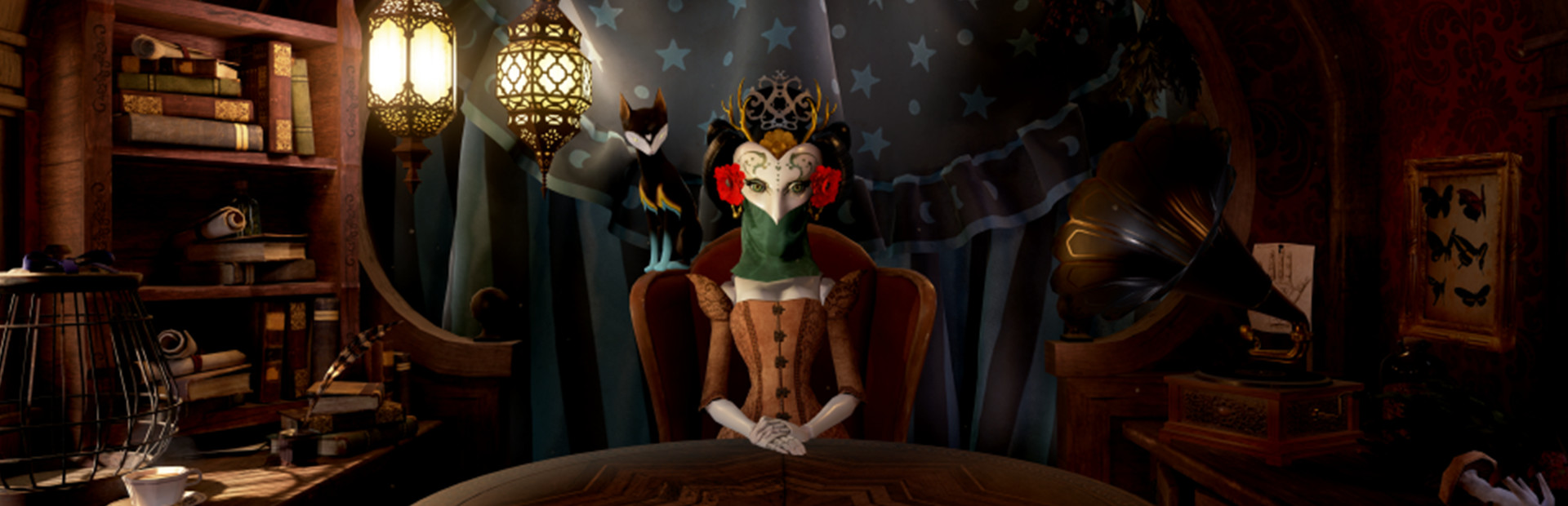
When viewed from the front, each of the Tarot Cards in Kismet appears to have a fully rendered, animated 3D scene inside of it. However, if you turn the card or move your head around it, it appears to be as thin as paper. Want to know how we did it? We've posted a full write-up on our website for you to check out, with lots of images from the making-of process. Here's a quick preview for you, then head to our website for the rest: The original painting of "Death":"Death," cut into pieces: (Also pictured: the "Fool" card)"Death," animated: How we did it: The cards are not strictly any one size. They are actually in a constant state of transformation that allows them to maintain the appearance that you see inside the experience. Each card in the game knows where the player is looking. The card compares the player’s location to its own, as well as to its relative rotation. Using that information, the card calculates something called a Dot Product. The Dot Product drives a constantly updating physical transformation of the cards themselves. If a player is looking at a Tarot Card straight on, the card stretches to its maximum depth, making it look more 3D. As the card turns to it's side, or the player moves their head around it, the Dot Product shrinks, as does the stretching. The more the player looks at the card on its side, the flatter the card becomes. Up until it's as thin as a piece of paper. The calculation happens to every card, on every frame, ninety frames a second. Read More: http://www.kismetvr.com/kismets-tarot-cards
Source
Changelog.gg summarizes and formats this update. How we read updates.