
Update log
Full Far Cry® 2 update
The complete published notes, normalized for clean reading and source attribution.
Extracted changes
- Maps
- Gameplay
Once upon a time, Ubisoft's library was simple: it made platformers starring terrifying mascots with no limbs, and roughly 17,000 Tom Clancy tie-ins. But over the last decade, Ubi has muscled in on the genre that GTA made famous, building huge worlds spanning radically different time periods. Regardless of whether you’re controlling a historical hitman or a coma-bound cop, though, Ubisoft’s sandboxes love to borrow mechanics from other Ubi games.
Join us as we look back at the history of the Ubisoft's open world games, to see just how these sprawling sandboxes have evolved (and grown more and more alike).
A stealthy start
Ubisoft first began to dabble in the sandbox space with 2007’s Assassin’s Creed. Skip back a decade, and you’d never guess the seismic scope the franchise would reach. Before the 2D spin-offs, books, and shitty Michael Fassbender films could wear us all down, there was just this ambitious (more than a bit broken) sandbox that spawned many of the features open world games still cling to in 2017.
Chances are you don’t remember much about the original Assassin’s Creed. You probably recall moping around ancient Jerusalem stabbing folk as a dude in a hoodie. Perhaps you have a dim recollection of eavesdropping on NPCs chatting away on benches. Maybe you even remember that early kickass trailer with the horribly catchy Unkle song.
Far Cry 3 s antenna towers undoubtedly cast the longest shadow on almost every Ubi open world that followed, but that's not where they started.
The one thing you’ll definitely recall is Ubisoft’s obsession with making players scale super lofty buildings. That all started in Altaïr’s adventure. To fully scope out all of the Holy Land’s side activities, you had to climb the tops of the tallest structures across Jerusalem, Acre, and Damascus. Doing so gives you a very literal eagle’s eye view of the sprawling mass of humanity hundreds of feet below; a bird of prey swooping around the building when you reach its summit.
These vertigo-bating landmarks birthed Ubi’s most infamous open world feature: gradually filling up a map with mission markers.
Crossover feature: Climbing towers
Assassin’s Creed may have introduced us to the idea of big-ass buildings that revealed points of interest when climbed, but it was 2012’s Far Cry 3 that really cemented the feature. Jason Brody’s leopard-punching, pirate-blasting, tattoo-inking tropical holiday had the sort of wide reaching influence on the open world genre its two predecessors could only have sweaty night terrors about… mainly because its predecessor literally gave you malaria.
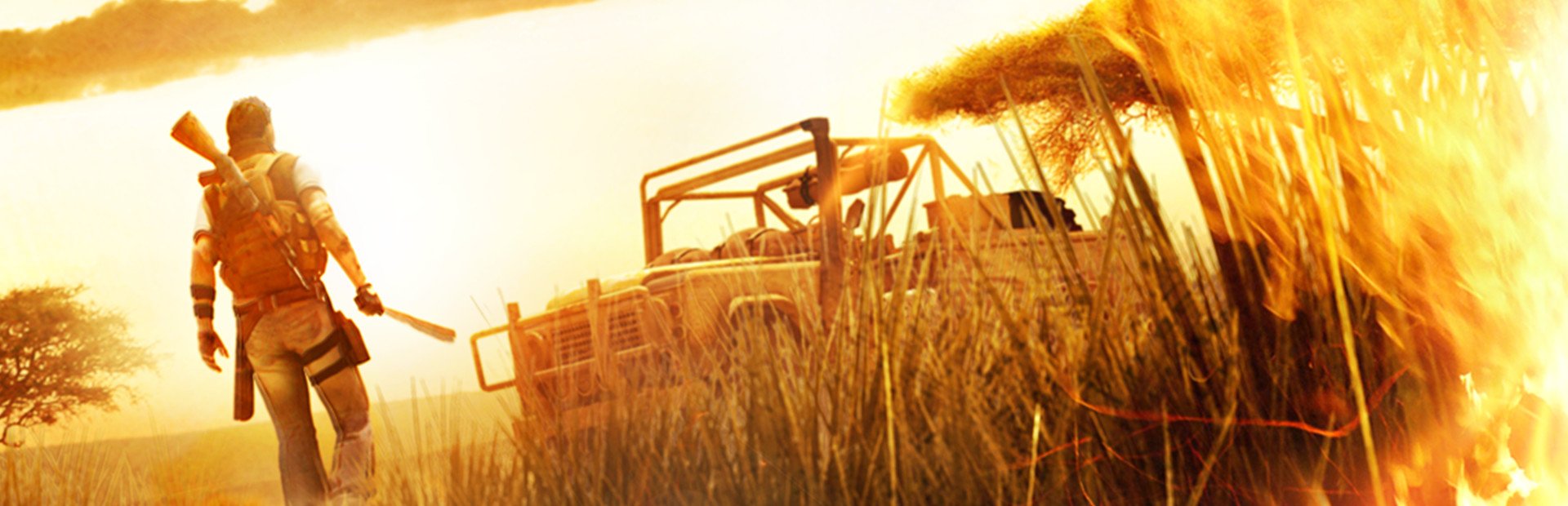
Surprisingly, Far Cry 2’s obsession with making you stuff pills down your throat to keep mosquito-borne diseases away never caught on—nor did its love of jamming weapons. Far Cry 3 ditched the annoying obstructions in favour of features that kept you itching to explore.
Far Cry 3’s antenna towers undoubtedly cast the longest shadow on almost every Ubi open world that followed. Scaling these rickety structures—which often feel like they’re being kept up by little more than prayers and a few loose screws—helps Brody fill his map up with all manner of side distractions. Haphazardly jumping, swinging and climbing your way between the crooked layers of the towers in Far Cry 3 isn’t just a hoot in and of itself, it also makes tracking the series of wildlife hunts, enemy encampments, treasure chests and races spread throughout the densely packed archipelago a lot easier.
Source