
Full notes
Full Cadence update
Read the full published notes in a cleaner layout. The original post stays linked below.
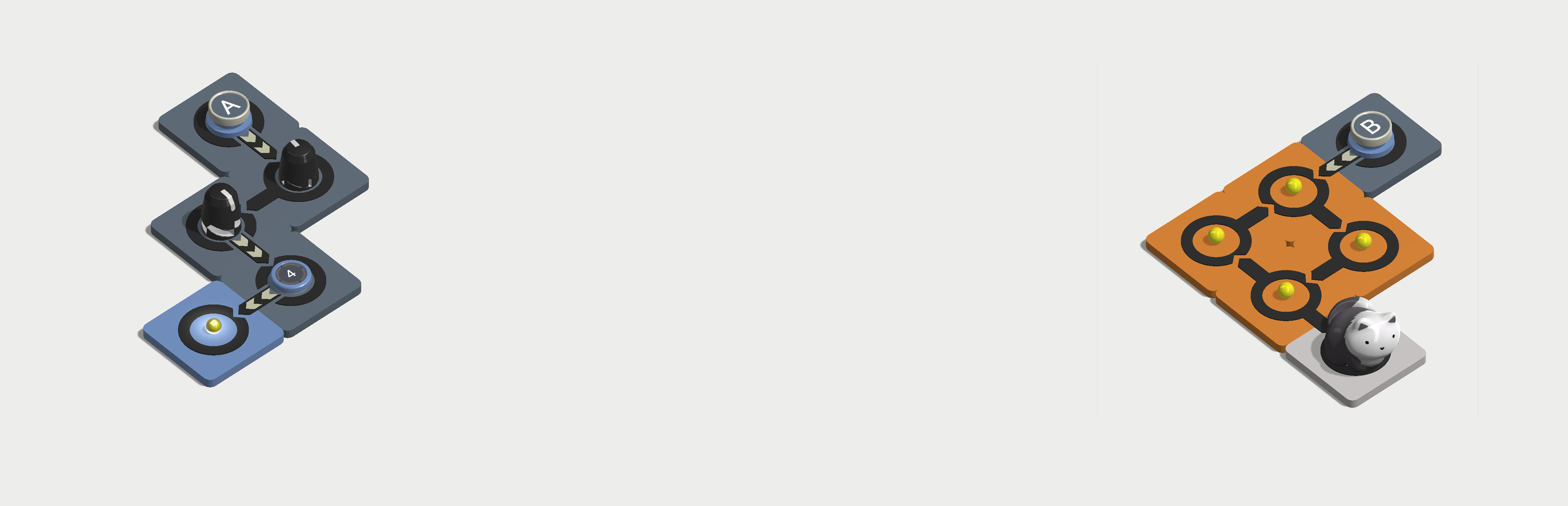
At first blush, Cadence just looks like a simple puzzle game mixed with a dash of zen music.
But don't be deceived, the systems that make the game tick are anything but minimal. Join us to find out about the depth and power of the sandbox. After covering the basics of making your own levels and musical compositions - we'll be exploring the concept of Turing Completeness, and how in theory, Cadence could run any known computer program (albeit slowly).
This was the foundation of modern computing as pioneered by the incomparable Alan Turing. I'm joined by Alan Zucconi, another Alan and educator extraordinaire. Known for creating excellent game development resources, being a dedicated university lecturer and youtube documentarian. Together we'll be attempting to prove some of these concepts by building the first few building blocks of a working calculator in the game sandbox.
Hopefully, by following along you'll leave with a bit of insight into how computers work - as well as the potential of the sandbox editor in Cadence!
Here Alan's excellent video about Turing Completeness in Conway's Game of Life: https://www.youtube.com/watch?v=Kk2MH9O4pXY
Source
Changelog.gg summarizes and formats this update. How we read updates.