
Update log
Full Nightholme update
The complete published notes, normalized for clean reading and source attribution.
Extracted changes
- Gameplay
- Performance
Animations and character skill sets are among the most important elements that keep players engaged with specific characters or classes. They are also some of the most challenging aspects of game development, especially when a lack of variety or personality can significantly impact the overall experience.
If you’re curious about how these systems are designed and want to discuss animations, characters, and development challenges directly with the team, join the conversation with us on Discord:
https://discord.com/invite/nightholme
In Nightholme, animation plays a far greater role than simple locomotion.
As a third-person horror experience without traditional weapons, our characters rely almost entirely on their bodies to express tension, danger, and personality. Every movement, from just walking down a corridor, an action attack, to reacting to the unknown, carries the weight of the horror itself. Small, often subconscious motions define the atmosphere. Subtle details like posture, breathing, or shifts in weight can change how a scene feels.
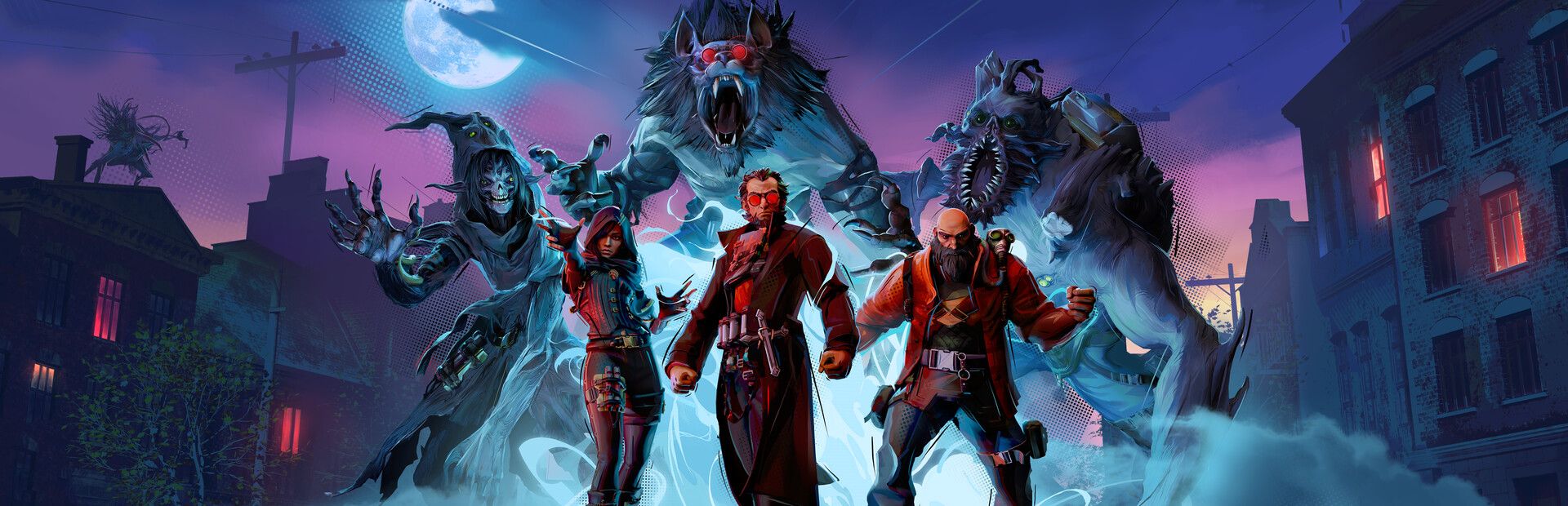
Because of this, we can’t rely on standard animation sets. Each Grimspawn archetype—be it the savage Voorbeast, the imposing Nameless, or the chilling Seer—must feel distinct.
Archetypes in Nightholme function much like classes. They represent the transformation you choose during the first phase in the lobby, when you select the team you want to join. This choice is made by picking a specific Nocturn drink, which determines the transformation you will undergo. Archetypes are not tied to any specific character, allowing you to freely combine your favorite archetype with your favorite character.
Working Closely With Actors
Motion capture actors are an important reference in our animation process, but they’re only one part of the overall workflow. Before an animation makes it into the game, we often start by studying real performances to understand weight, timing, and emotional intent. The goal isn’t to copy movements one-to-one, but to capture the feeling behind them. Fear, tension, or aggression, and translate that into gameplay-driven animation.
From there, the team relies heavily on classic keyframe animation to shape, exaggerate, and refine the motion so it fits both the character and the needs of the game.
These performances provide a rich foundation for our animation team. They help capture instincts and reactions that are difficult to create purely through keyframing, especially in a horror context where authenticity is crucial.
From Performance to Playable Horror
Once performances are captured, our lead animator translates them into gameplay-ready animations. This step involves refining timing, exaggerating or restraining motion to fit the game’s mechanics, and ensuring smooth transitions between states.
The challenge is to preserve the authenticity of the original performance while making it responsive and readable in an interactive environment. The end goal is animation that feels alive, believable, and terrifying, without ever breaking player immersion.
A Stylized Animation Approach
Nightholme features a stylized visual language, and that extends to animation too. Body mechanics are intentionally pushed beyond strict realism, with exaggerated poses and silhouettes that emphasize mood and intent.
We aim to combine the best of both worlds. For realistic motion, we rely heavily on motion capture, but we always blend it with hand-crafted animation. Even when using mocap, we keep the work feeling handmade by using real actors as reference and carefully sculpting the final result.
Animating for Horror
Animating for a horror game differs mainly in behavior. Movements tend to be more animalistic and unpredictable. While the technical approach may be similar to other genres, the focus shifts toward acting and personality rather than clean or heroic motion.
When keyframing animations, we
Source