
Update log
Full Kingdom Come: Deliverance II update
The complete published notes, normalized for clean reading and source attribution.
Extracted changes
- Balance
- Gameplay
- Store
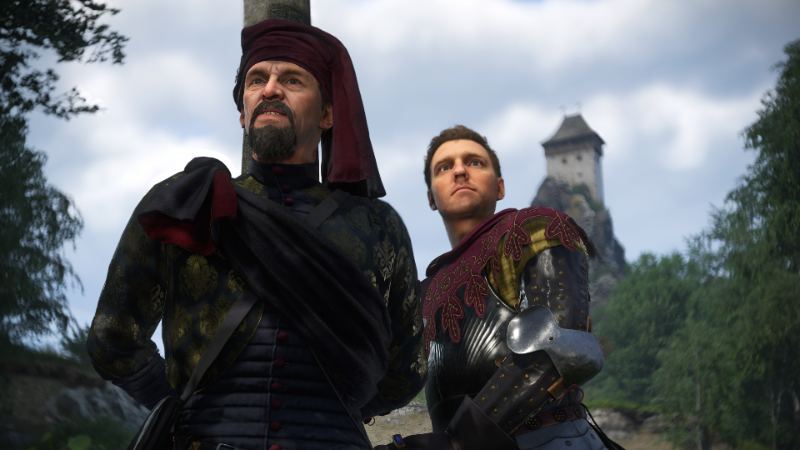
Warhorse Studios was founded back in 2011 as a small, risk-taking indie collective with an ambitious vision to create a historically-grounded open world RPG unlike any other. That game was, of course, 2018’s Kingdom Come: Deliverance which went on to sell more than 10 million copies across all platforms.
To find out what it was like working at Warhorse during its earliest years, how the team grew to deliver its ambitious sequel, and learn more about how the studio plans to maintain its founding spirit in the future, we sat down to talk with Warhorse’s content director Ondřej Bittner.
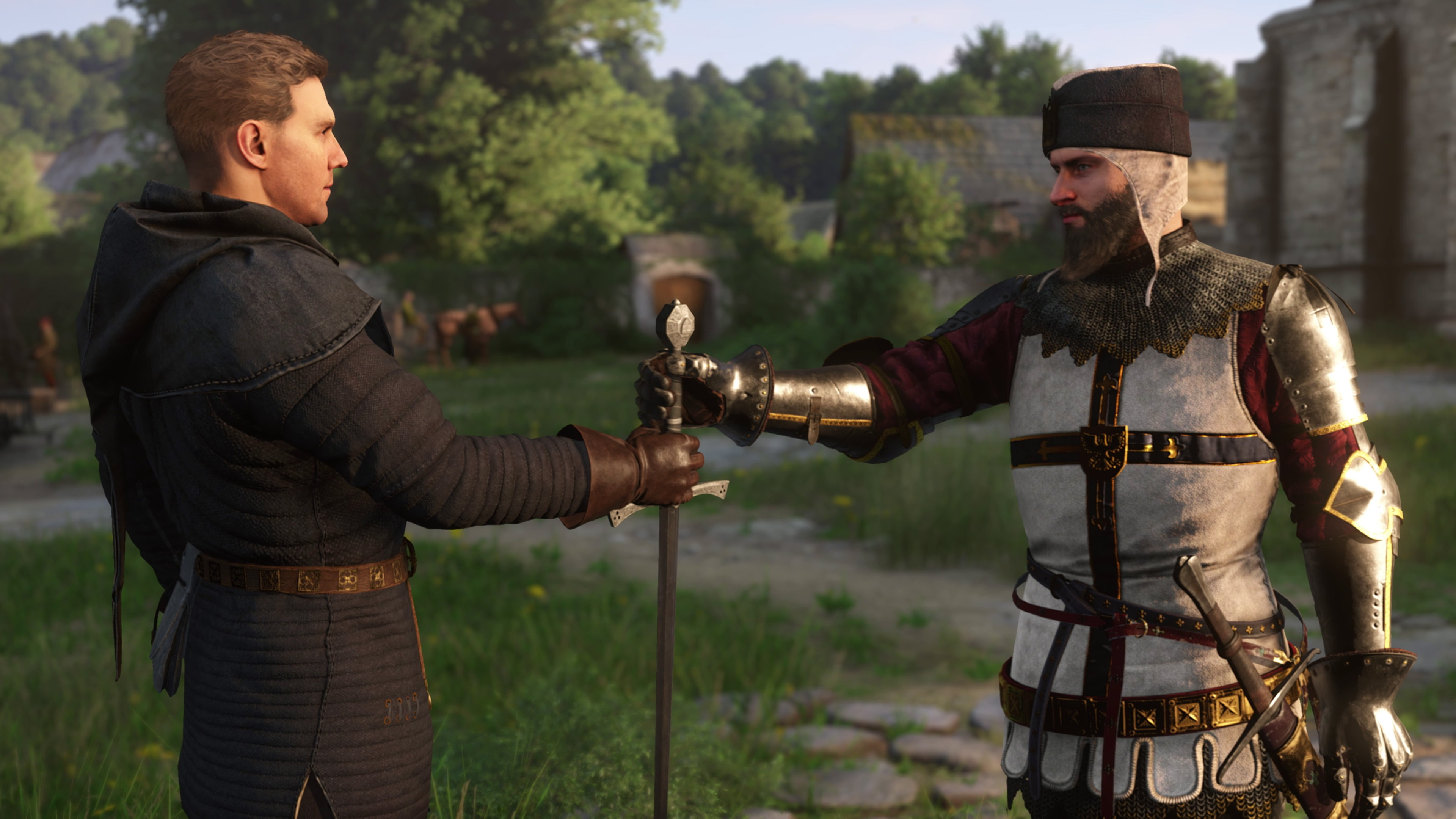
“In the beginning we had a lot of start-up energy,” says Bittner about life at the fledgling studio. “Everyone was involved with doing every-thing. It was a very friendly and very ambitious team, and everyone was determined to prove that we could do this. It’s still friendly and feels like a bunch of friends making games, even though today we’re almost up to 300 people!”
Despite the studio’s determination, bringing its vision to life was easier said than done. Before the release of Kingdom Come: Deliverance, the team had to work hard to overcome a perception that people wouldn’t want to play a game set in the Middle Ages, and that such a game would be too niche to find commercial success.
“Even in our Kickstarter campaign we talked about it having dungeons but no dragons, right?” says Bittner. “That made the game unorthodox. No one had tried to make an RPG like this in the Czech gaming landscape either. That was something else we had to prove, but I think trying to persuade the public that this idea had value was definitely the main challenge.”
Before long, the team realised they would also have to balance their passion for authenticity with the realities of crafting an enjoyable game. The end result was a delicate compromise between satisfying gameplay and a historically faithful world.
“ The main thing we struggled with are the distances involved with any realistic landscape,” says Bittner. “Things are not placed where a gameplay designer would put them! But condensing things served to really highlight the other thing that’s great: the landscape itself. Players loved to just walk around in the world. In the end I think it was a plus for the game, rather than a minus.
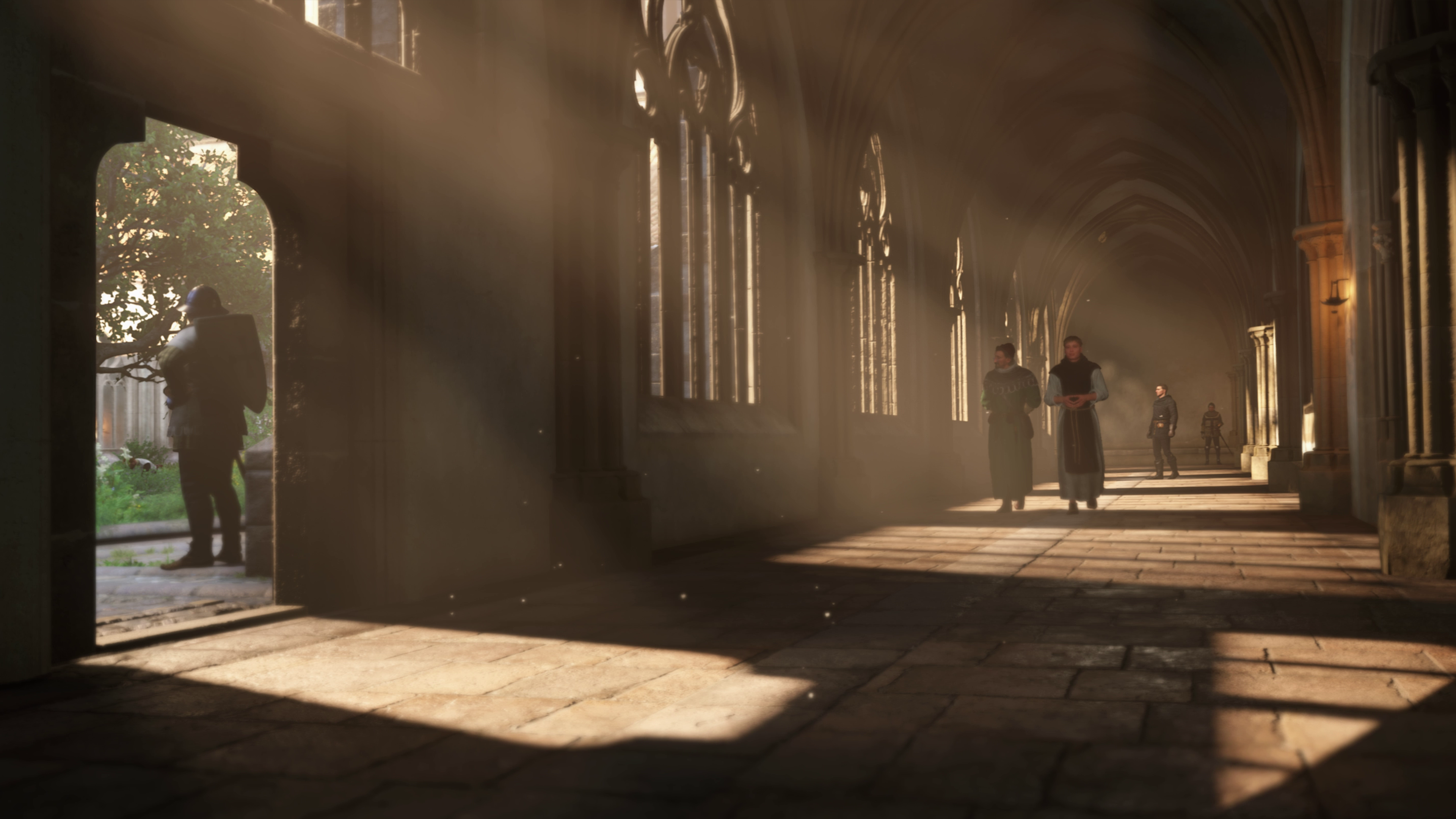
“As for technical challenges, I like to say that it always comes down to the size of things. NPCs in our games need so much room to do everything, whereas in the Middle Ages the buildings were packed with people. Castles were quite small, and the idea that you needed a castle hallway for two people to pass each other - it just wouldn’t exist!”
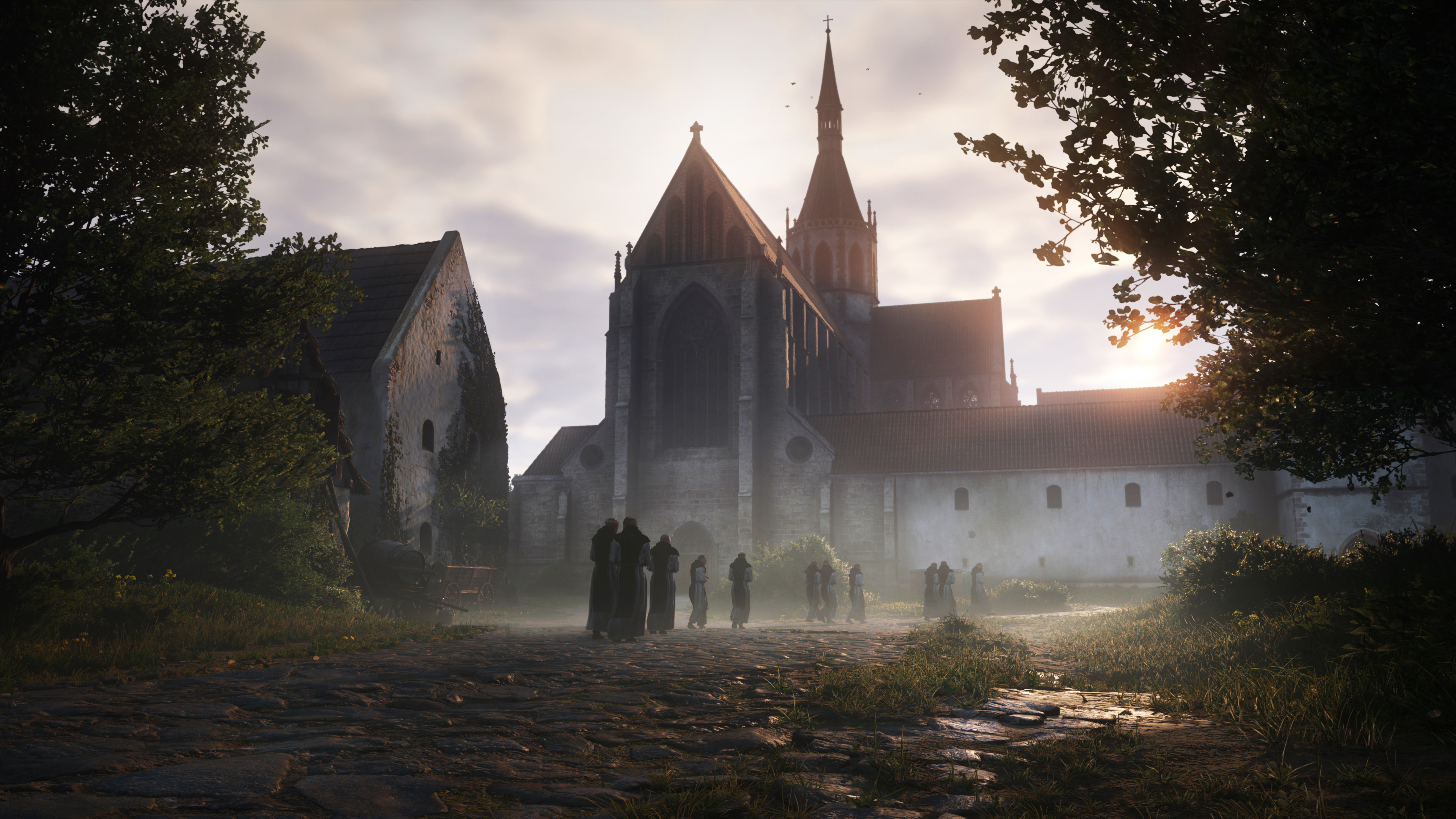
The success of Kingdom Come: Deliverance went on to prove the team right in their approach. But if this first game was about demonstrating the viability of a very unique take on openworld RPGs, the sequel set out to deliver on the team’s true ambition.
When Kingdom Come: Deliverance II launched just over a year ago, it did so with a significantly larger world, built by a team that had doubled in size. This extra manpower enabled parallel development of quests, combat, cinematics and open world systems, expanding the scope of Henry’s world in every direction.
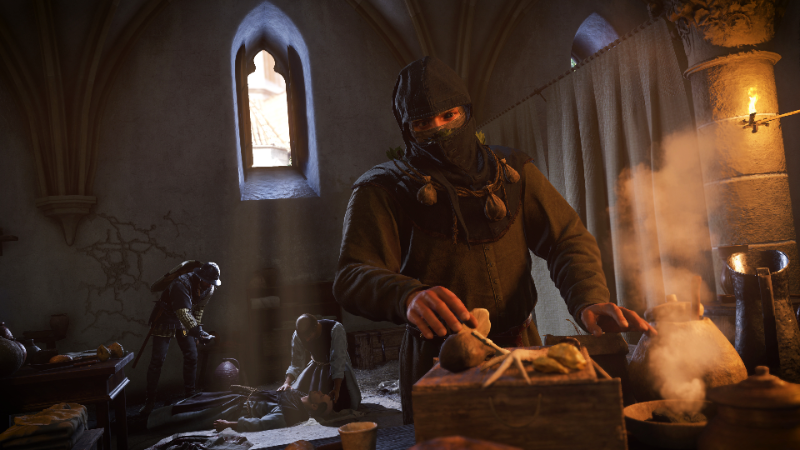
How did Warhorse handle the challenge of growing the studio to accommodate the sequel’s growing demands, without losing the team spirit and vision that had served it so well the first time around?
“ First of all this happened gradually,” explains Bittner. “We didn’t hire in one huge wave, and so people were just slowly trickling into the teams. I think that was the most valuable thing.
“There’s also a kind of philosophy here that you could be an absolute genius, but if you’re difficult then no one wants to work with you. This is a team sport after all, and so I think we value people who are chill and friendly - good people!
“You look for people you want to work with. Last month we took some time off - a reset after releasing KCD II and all of the DLCs. But some teams met for little events together, just because they wanted to see each other. I think that’s a good sign that we’re doing things right,”

If there’s one underlying value that has helped the team maintain success on its own terms, Bitter cites an appetite for risk and a desire to stand out from the other big hitters in the RPG landscape.
“It’s taking the path less travelled,” he says. “That can end catastrophically, obviously, but so far we’ve always chosen the unbeaten path and felt sure it will lead to some kind of success.
“ I think we have the right mix of building big AAA games, but with something fresh too. If you look around, you’ll hear from gamers that a lot of the big games are starting to feel the same. Some people think the answer to that lies in the graphics or the assets, but I think it lies in deeper design philosophies.
It’s far too early to talk about Warhorse’s future plans, but Bittner finishes with reassuring words about the team’s upcoming plans, and its commitment to making authentically immersive games unlike any others in this space.
“We’ve never changed in our mission to do things differently. We want to continue to make amazing open world RPGs. And we’ll do it our own way.”
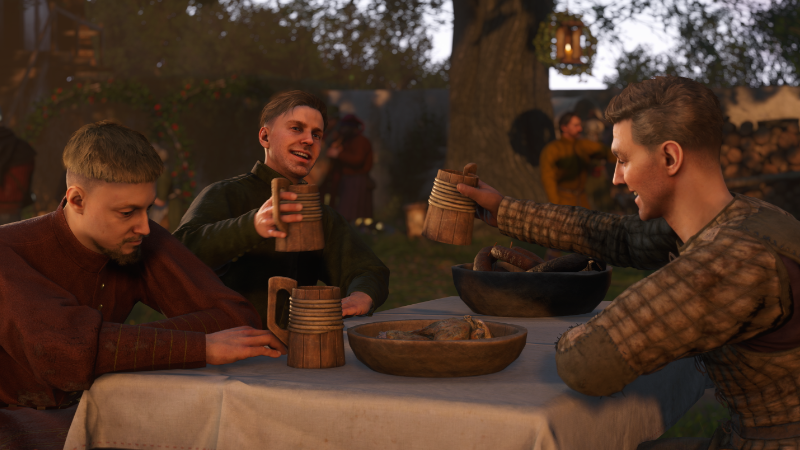
Play Kingdom Come: Deliverance II NOW.
https://store.steampowered.com/app/1771300/Kingdom_Come_Deliverance_II/
Go back to where it all began - play the first Kingdom Come: Deliverance.
https://store.steampowered.com/app/379430/Kingdom_Come_Deliverance/
Follow Kingdom Come: Deliverance II on social media:
Source